
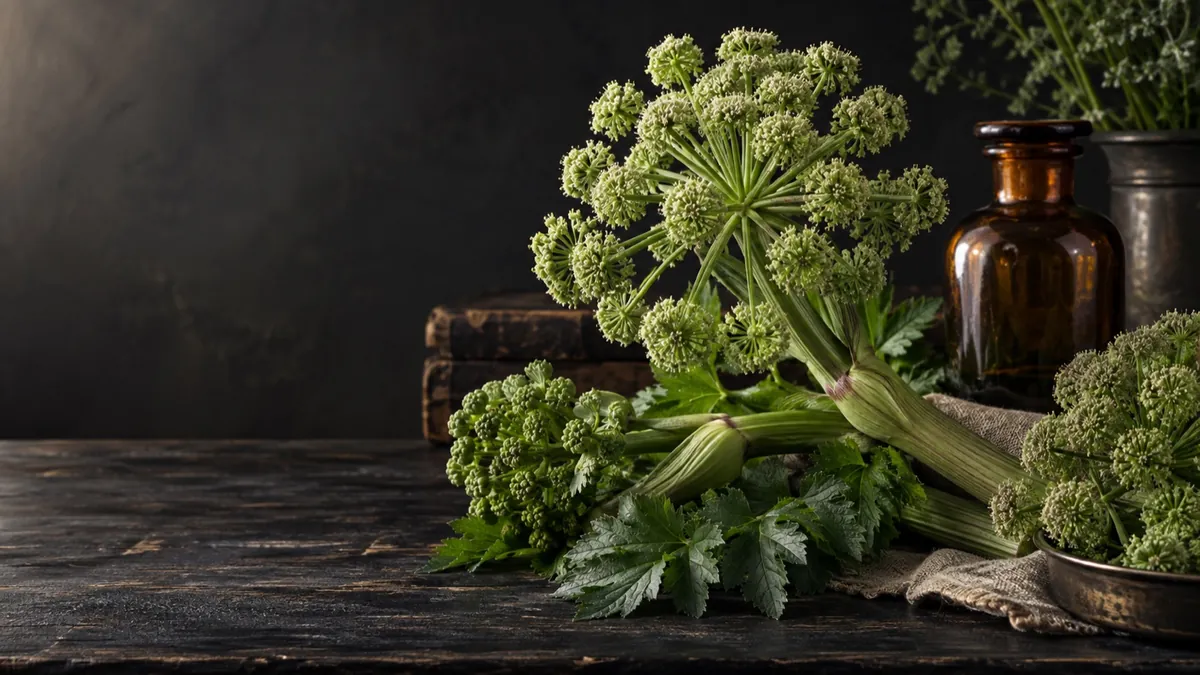
About Angelica
Angelica is named for the archangel Michael, and was considered one of the strongest protective herbs in European herb lore. It was used against plague and harmful influences.
Historically considered one of the strongest protective herbs against harmful influence.
History & folklore
Legend says an angel revealed angelica's power to a monk during a plague, and that it blooms on the feast day of St. Michael the Archangel. In medieval Europe it was worn around the neck against plague and harmful spirits. Its stems are candied and used in cake decorating.
Correspondences
- Traditional uses
- Protection, exorcism, healing
- Latin name
- Angelica archangelica
- Element
- Fire
- Planet
- Sun
- Best day
- Sunday
- Moon phase
- Waning moon — for protection, clearing and letting go
- Intentions
- Protection, Healing
Ways to work with it
- Grow angelica in the garden as a guardian plant.
- Add dried root to a protection sachet.
- Sprinkle a little around the house to purify it.
Growing & gathering
Angelica is a tall, dramatic plant for moist, rich soil. It usually dies after setting seed. Never gather it from the wild — it looks like deadly water hemlock. Dried root is sold by herb suppliers.
Avoid in pregnancy. Angelica can make skin sensitive to sunlight. Never forage it — it looks like deadly water hemlock.
Spells to try
Pairs well with
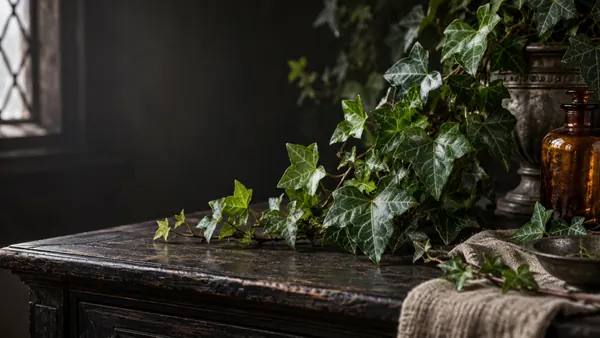 IvyProtection, healing, binding
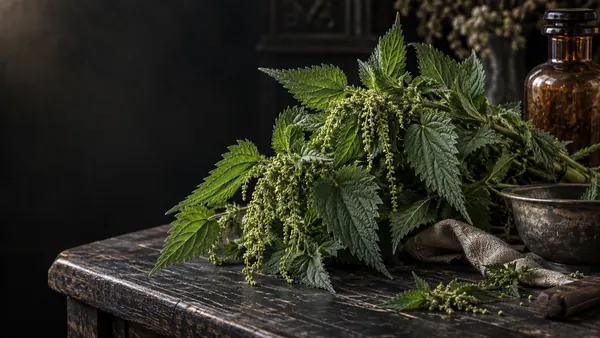 NettleProtection, healing, exorcism
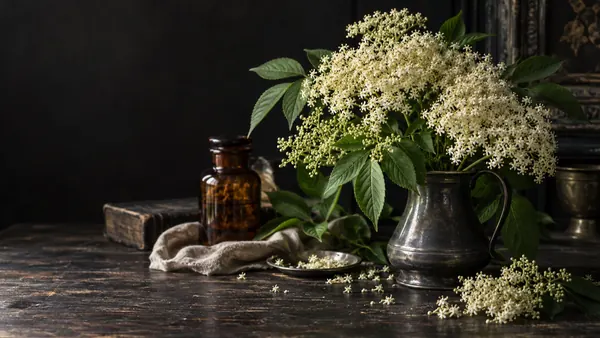 ElderflowerProtection, prosperity, healing
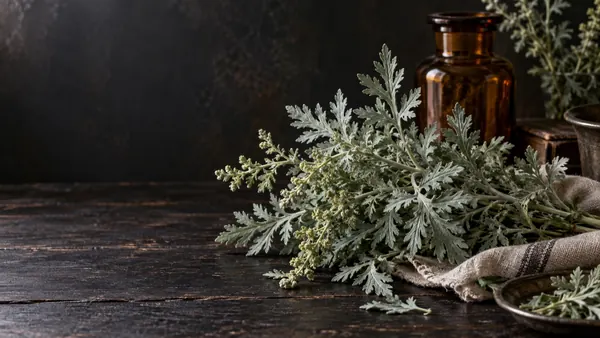 WormwoodPsychic power, protection, calling spirits
Correspondences are traditional associations gathered from folk practice and modern craft books. They vary between sources, and they are not medical advice. Read our editorial approach.