Seed Intention
Hold one seed before planting. Name a quality you are willing to cultivate through repeated action, then plant and tend it as a living reminder—not a guarantee.

Garden · kitchen · growing things
Step through the garden door. This path treats tending, cooking, composting, harvesting, and seasonal observation as a daily magical practice.
Enter the path
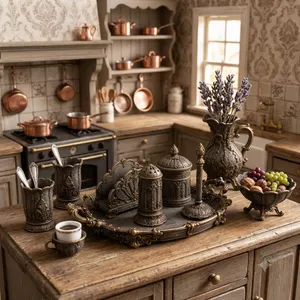
Green witchcraft is a modern, flexible path rather than one fixed historical religion. Some practitioners center living plants and ecological relationship; kitchen witches bring intention to ordinary food and hearth work. Begin with plants you can identify confidently, grow ethically, and use safely.
Field notes
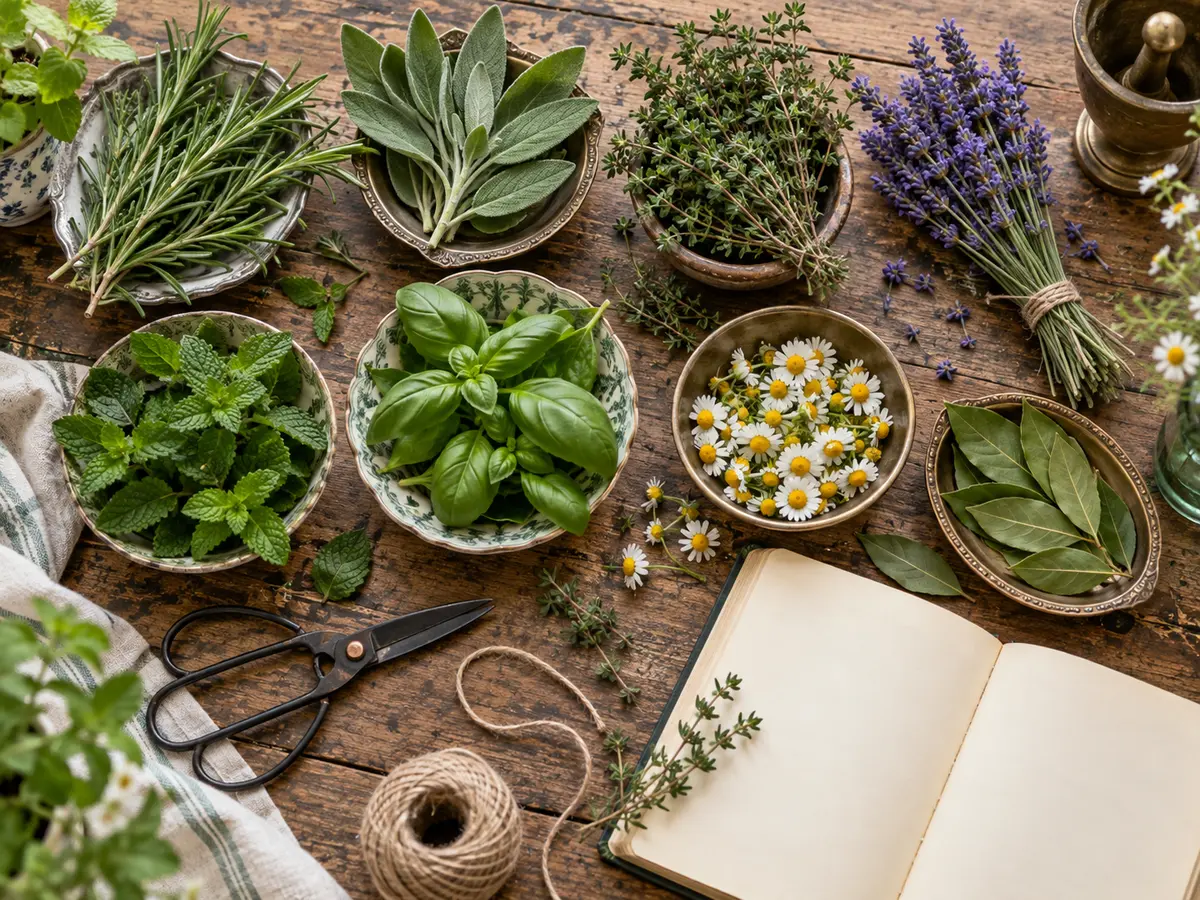
Start with familiar culinary herbs. Learn each plant as a living organism first—its growing needs, scent, season, and safety—then explore the symbolic associations your practice gives it.
Outside the threshold
Small practices for attention, stewardship, protection, patience, and seasonal change.
Hold one seed before planting. Name a quality you are willing to cultivate through repeated action, then plant and tend it as a living reminder—not a guarantee.
Walk the boundary clockwise with water, breath, a lantern, and a handful of soil. Pause at each corner to name what the garden needs: nourishment, airflow, warmth, and moisture.
Plant nectar-rich flowers, leave shallow water with landing stones, and avoid pesticides. Let the magical act be practical hospitality to the lives that make the garden possible.
Write a habit on untreated paper, tear it small, and add it to active compost. Turn the pile while naming what decay can feed next.
Record frost, rain, wind, first bloom, insects, and moon phase. After a season, use the pattern—not a generic correspondence chart—to plan local rituals.
At the gate or bed edge, plant a fragrant culinary border such as rosemary or thyme. Each time you brush past it, pause and restate the boundary you mean to keep.
At the hearth
Every recipe already contains transformation: heat, time, mixture, attention, and sharing.
Choose a simple intention and stir clockwise while building it into soup, tea, or sauce. Stir counterclockwise when the work is about release or reduction.
While kneading, name the qualities that sustain a household—patience, honesty, welcome, enough. Score the loaf with a simple personal mark before baking.
Clean the stove, empty stale scraps, open a window, and simmer citrus peel with a culinary herb. The cleaning is the ritual; scent marks the reset.
Layer dry salt, rice, bay, and rosemary in a sealed display jar. Label it clearly and keep it decorative; do not cook from ritual mixtures.
Light one candle before a meal and give each person room to name something worth preserving. Extinguish it before leaving the table.
For a personal habit—not another person's will—write the habit on paper, seal it in a watertight jar, and freeze it while committing to the practical step that supports the pause.
Edible enchantments
These are ordinary food recipes with optional ritual prompts. Check allergies, interactions, pregnancy guidance, and pet safety before using herbs.
Cream 1 cup butter with ½ cup sugar; mix in 2 cups flour, lemon zest, and 1 teaspoon finely chopped rosemary. Shape, chill, and bake at 325°F until pale gold.
Steep a food-grade chamomile tea bag in hot milk or oat milk for 5 minutes; add honey to taste. Skip chamomile if you have a related ragweed-family allergy or a clinician has advised against it.
Blend softened butter with parsley, chives, thyme, lemon zest, and a pinch of salt. Roll, chill, and slice over vegetables or bread.
Simmer blackberries with a little sugar, lemon, and one small sage leaf until glossy. Remove the leaf before serving.
Simmer onion, garlic, carrot, celery, bay, thyme, and peppercorns. Treat it as nourishing food, not a substitute for medical treatment.
Use only culinary lavender: steep 1 teaspoon briefly in warm simple syrup, strain completely, then combine with lemon juice and cold water.
Choose by purpose
Select a practical intention and the guide will suggest approachable culinary or aromatic herbs. Symbolic uses are traditions and personal associations, not medical claims.
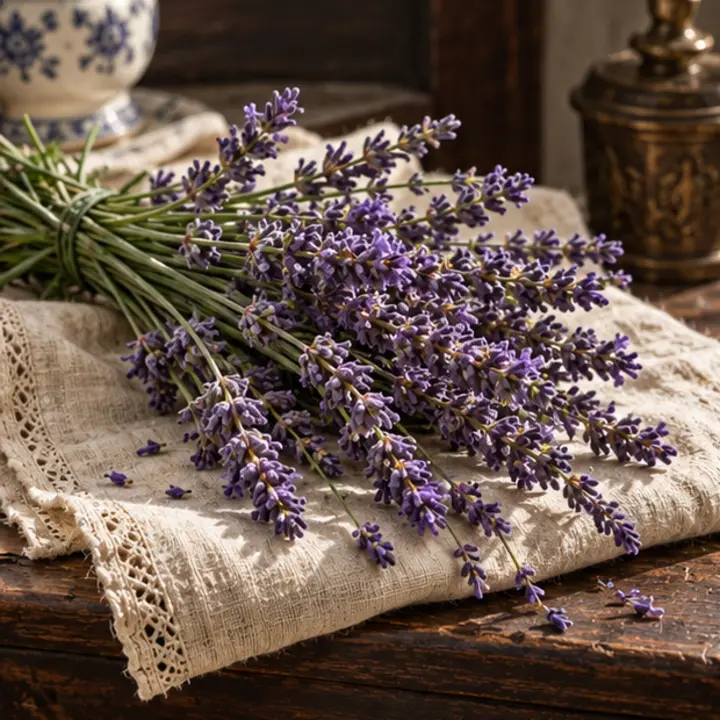
Calm, rest, devotion, and a quiet threshold. Use culinary-grade lavender sparingly in food.
Read more →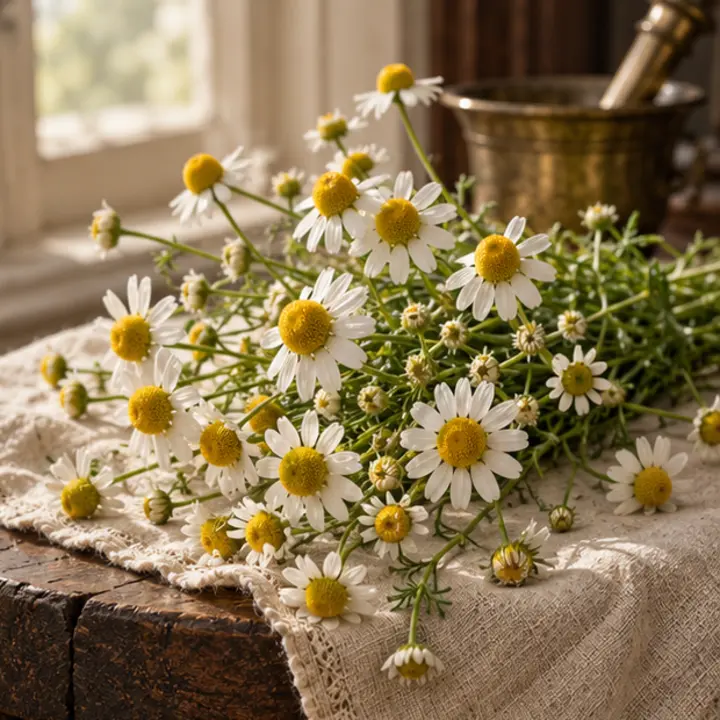
Peace, gentle luck, sleep rituals, and easing a tense atmosphere. Check ragweed-family allergies.
Read more →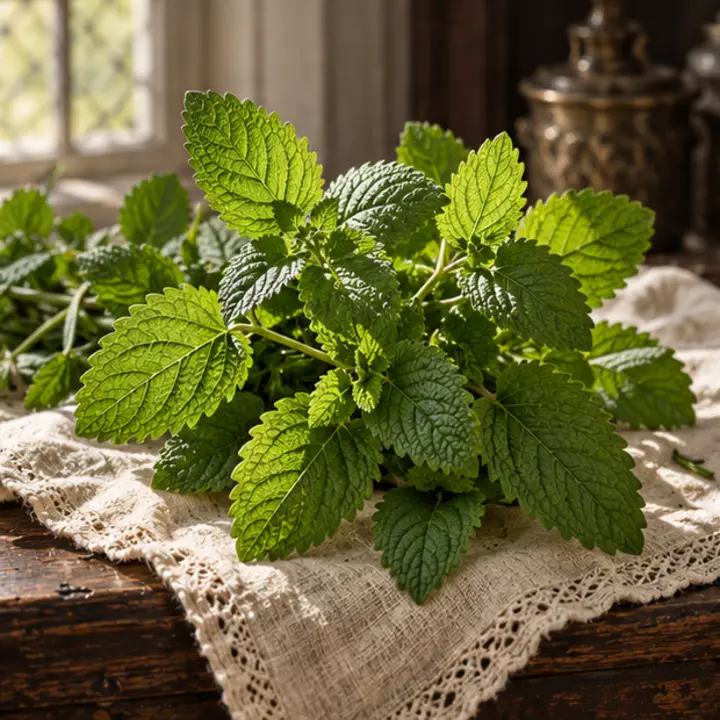
Cheer, comfort, friendship, and emotional renewal; a bright kitchen-garden ally.
Read more →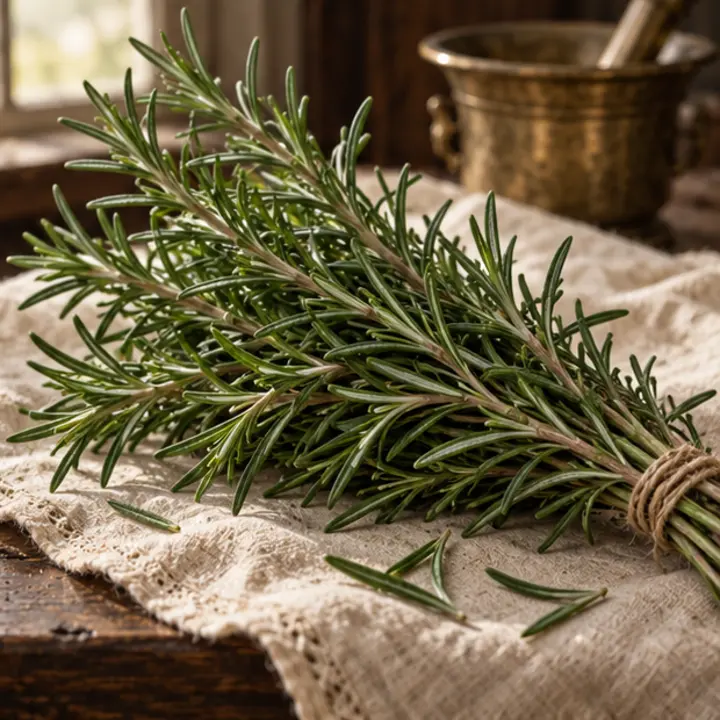
Remembrance, protection, clarity, and household blessing; one of the most versatile culinary herbs.
Read more →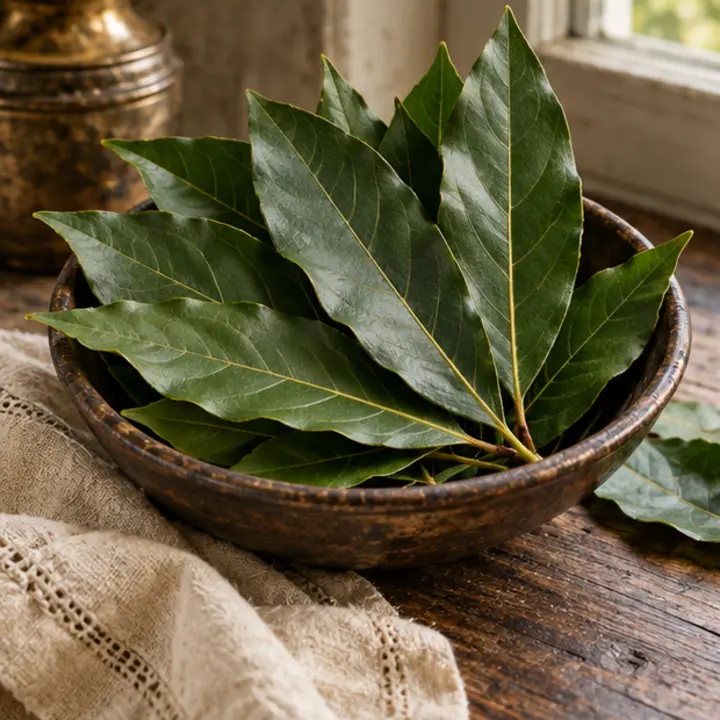
Victory, intention, divination, and protective boundaries. Remove whole leaves before eating.
Read more →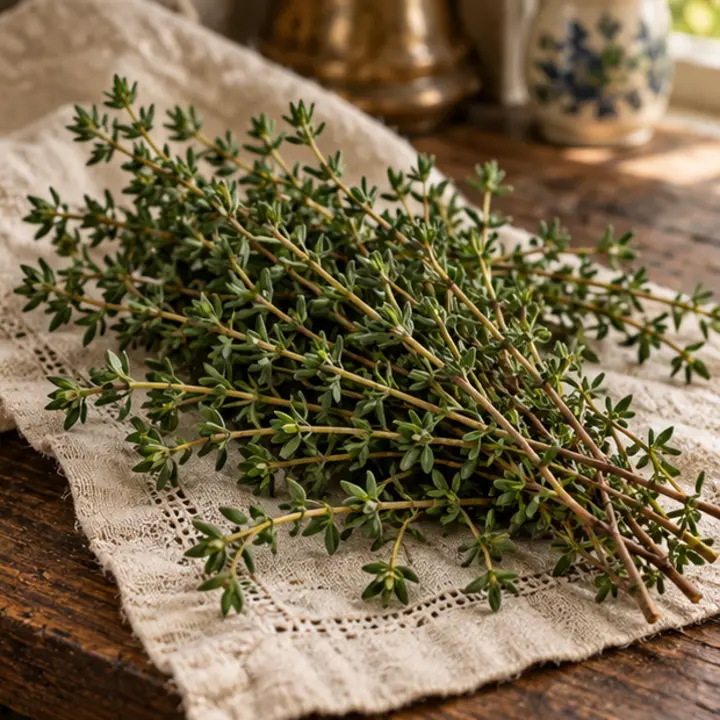
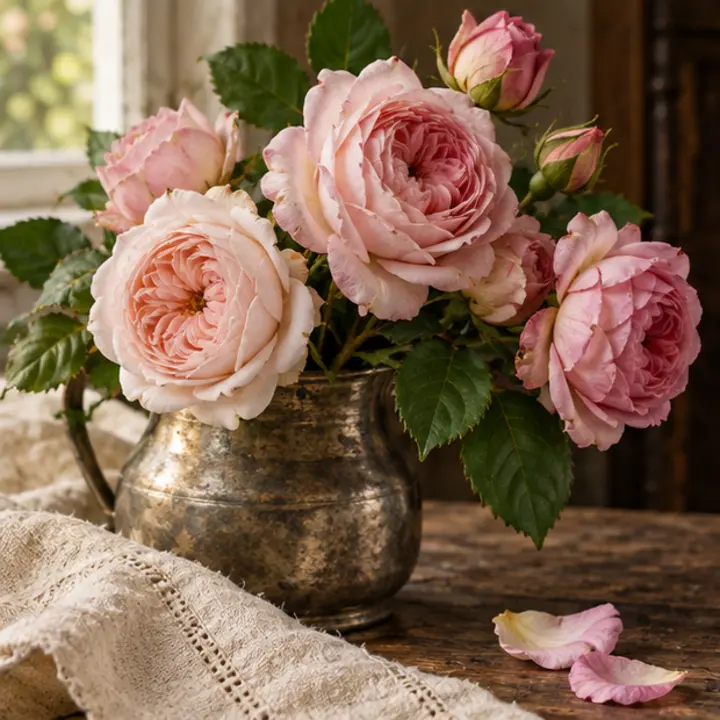
Love, beauty, reconciliation, grief, and self-regard. Use only unsprayed food-grade petals in recipes.
Read more →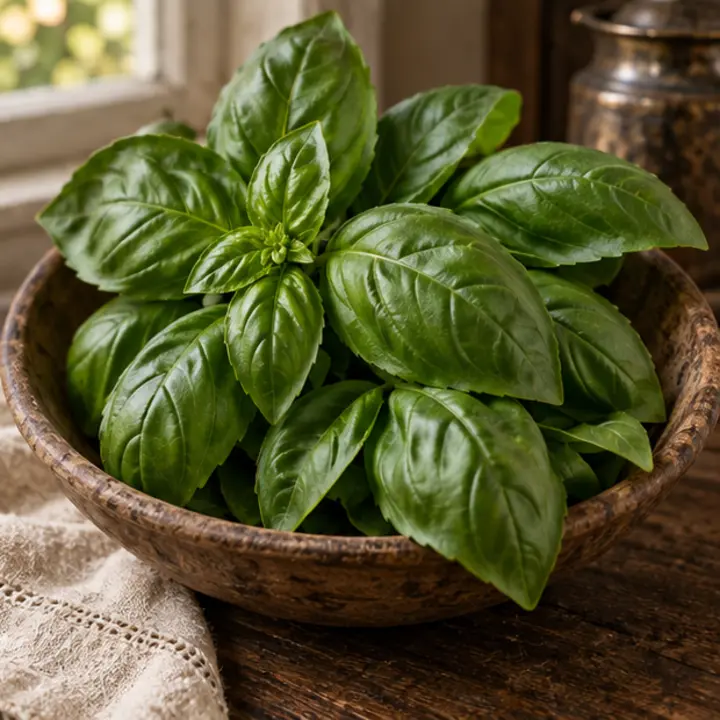
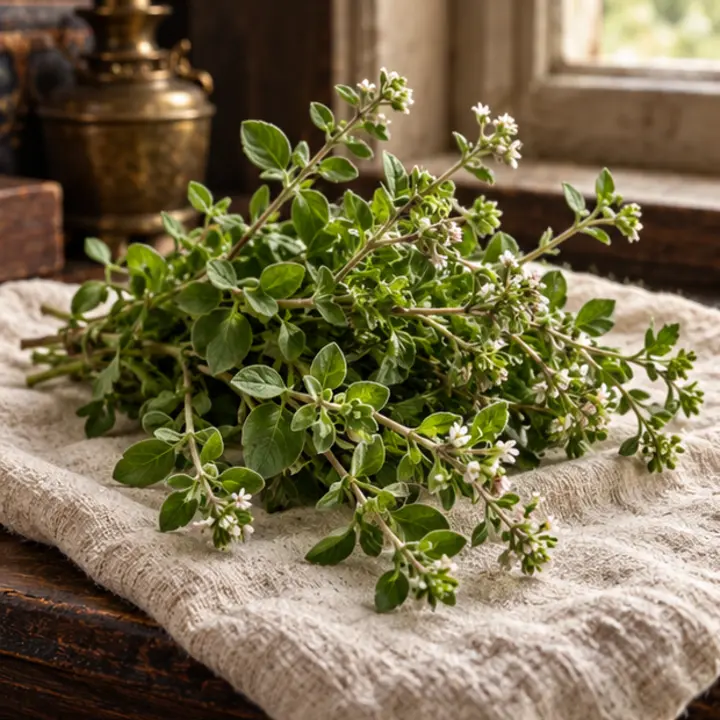
Warmth, partnership, peace in the home, and gentle happiness.
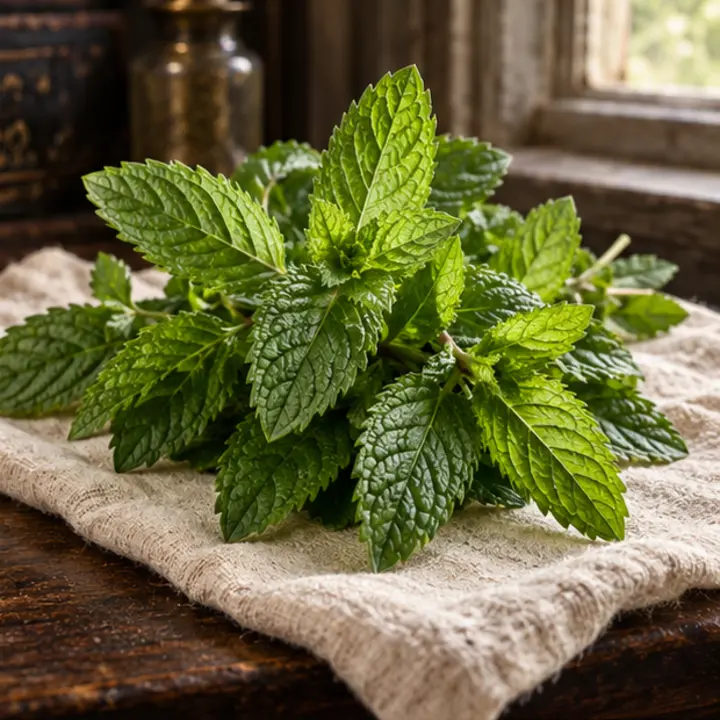
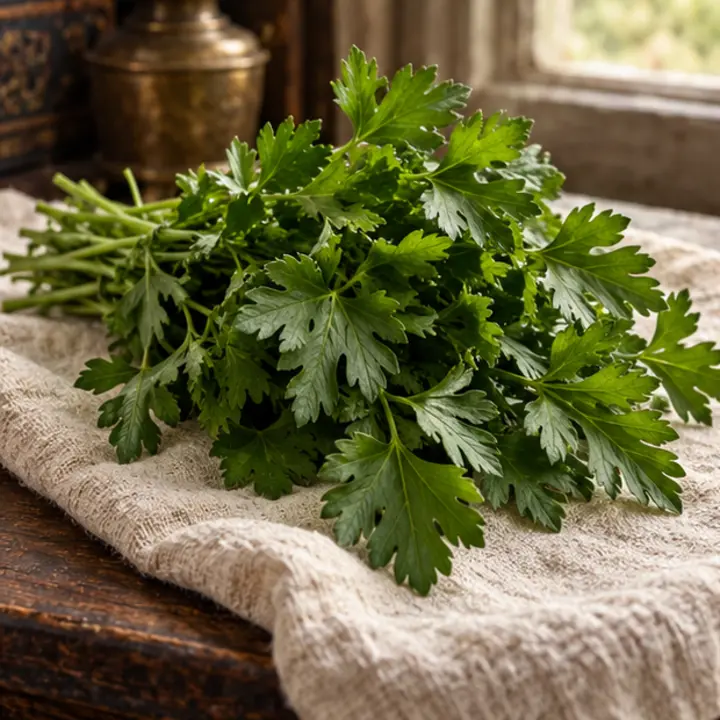
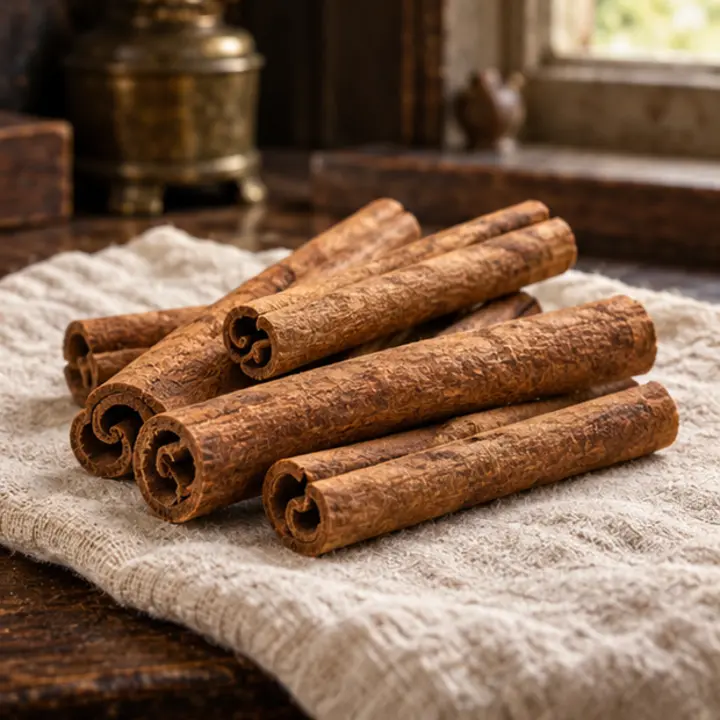
Warmth, speed, prosperity, confidence, and solar energy. It may irritate skin; do not apply undiluted.
Read more →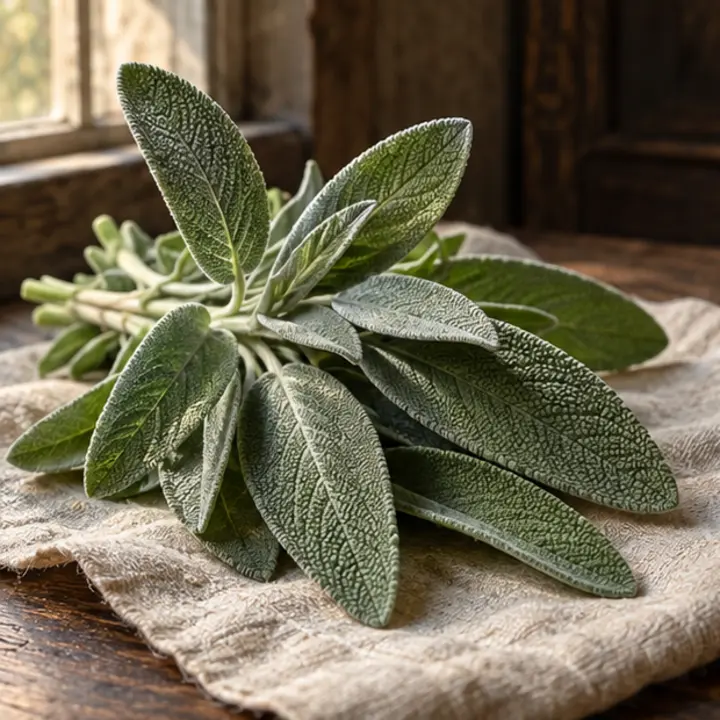
Wisdom, longevity, discernment, and home blessing. Common garden sage is distinct from culturally protected white sage.
Read more →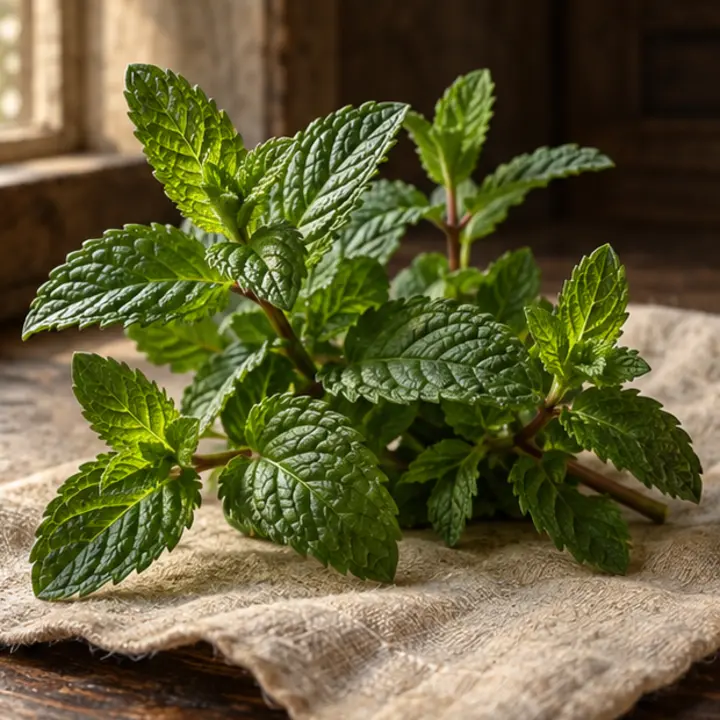
Focus, energy, movement, and a cooling reset. Essential oil is far stronger than the culinary leaf.