
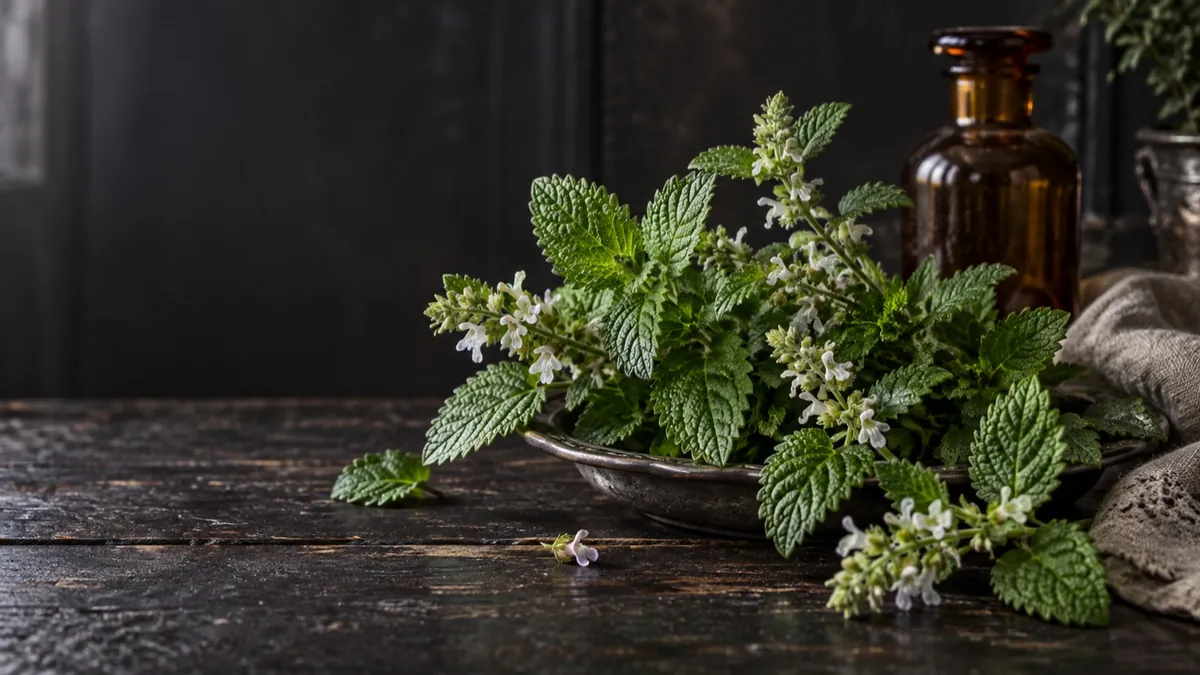
About Lemon Balm
Lemon balm was called the 'gladdening herb' — beloved of bees, comforting to the heart and a traditional aid to good spirits. In folk magic it draws love, friendship and success and eases grief.
A genuinely calming nervine herb with a long folk history as a "gladdening" plant.
History & folklore
Its Latin name Melissa means 'honeybee' in Greek. Beekeepers rubbed hives with it to keep swarms happy. Paracelsus called it the 'elixir of life', and the medieval Carmelite nuns made a famous cordial from it. It was said to drive away melancholy and cheer the heart.
Correspondences
- Traditional uses
- Healing, love, success
- Latin name
- Melissa officinalis
- Element
- Water
- Planet
- Moon
- Best day
- Monday
- Moon phase
- Waxing moon — for drawing things toward you
- Intentions
- Healing, Love, Calm
Ways to work with it
- Brew a cup of lemon balm tea on a heavy day and drink it slowly.
- Add dried leaves to a friendship or love sachet.
- Plant it near beehives or in the garden to welcome bees and good cheer.
Growing & gathering
Lemon balm is a hardy, easy perennial that grows in sun or part shade and self-seeds freely. Pick leaves before flowering for the best scent. It loses scent when dried slowly, so dry quickly in a warm, airy spot.
Generally safe as a tea. It may interact with thyroid medication and sedatives.
Spells to try
Pairs well with
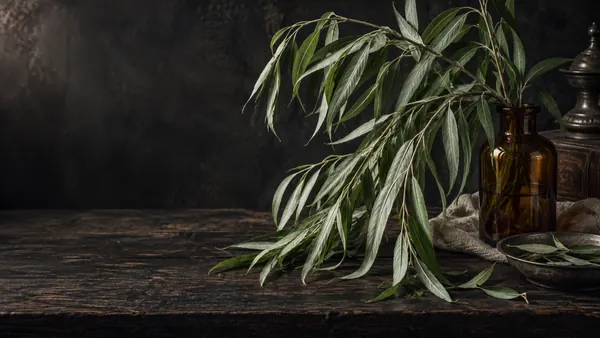 WillowLove, healing, moon magic
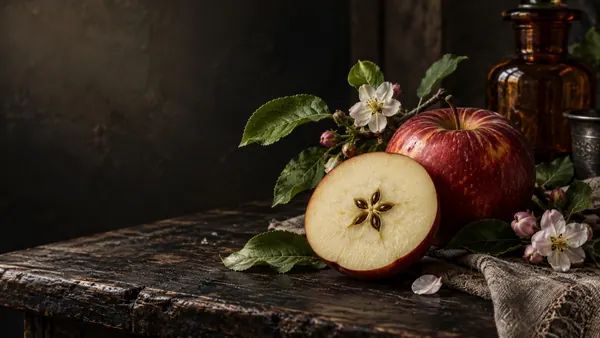 AppleLove, healing, immortality
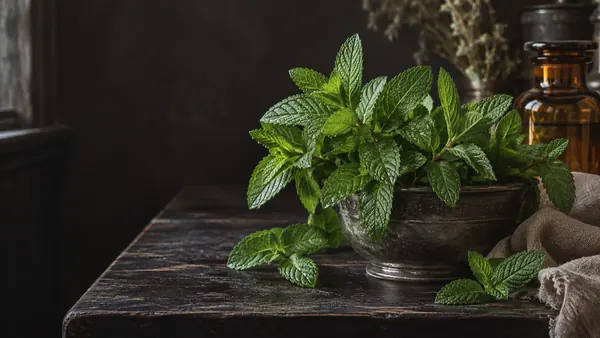 MintMoney, travel, healing
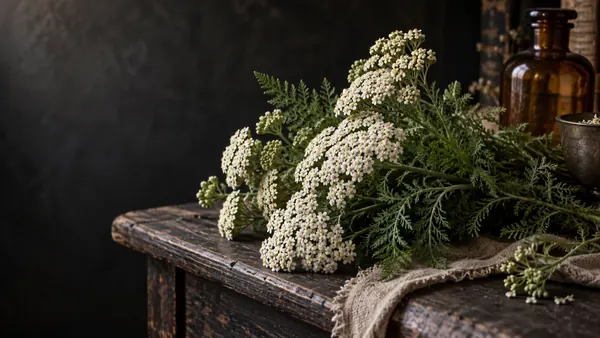 YarrowCourage, love, psychic ability
Correspondences are traditional associations gathered from folk practice and modern craft books. They vary between sources, and they are not medical advice. Read our editorial approach.