
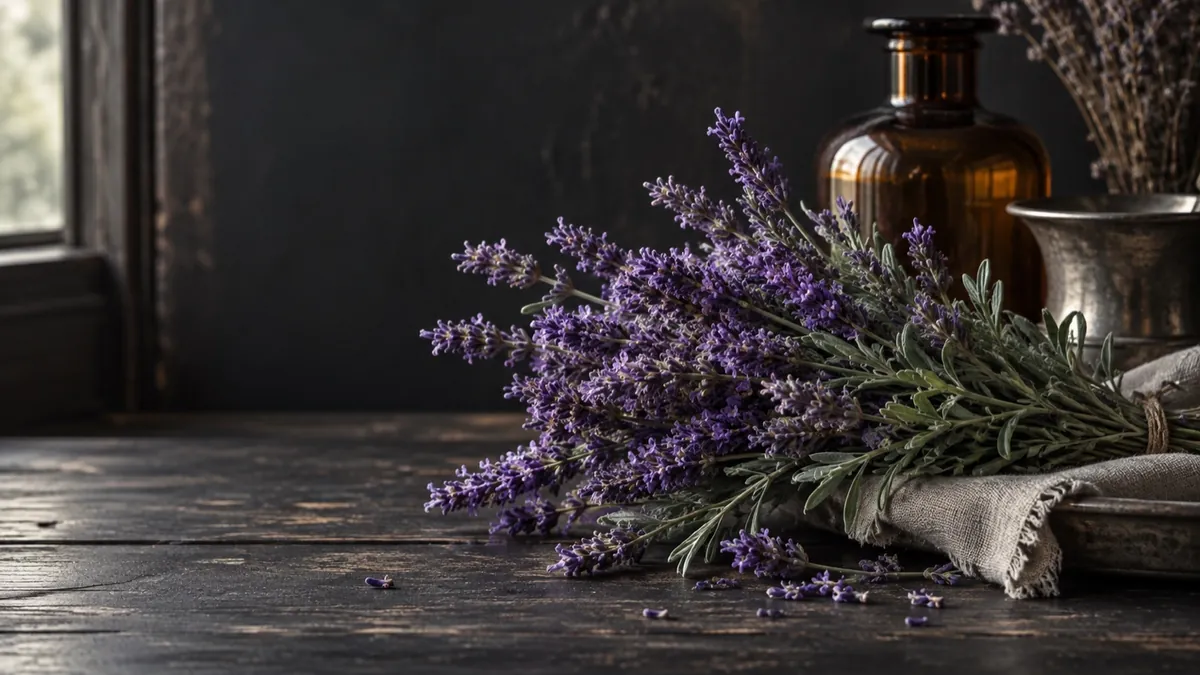
About Lavender
Lavender is the gentlest all-rounder in the cabinet. Its scent has been used for centuries to freshen linen, settle a restless household and invite sleep, and in folk magic it carries peace, purification and quiet devotion.
The most forgiving all-purpose calming herb; safe dried near a bed or burned as incense.
History & folklore
The name comes from the Latin lavare, 'to wash' — Romans scented their bathwater with it. Tudor housewives strewed it on floors and laid it between linens, and Victorian ladies kept it in handkerchiefs against fainting. In Provence, lavender was hung over doors on St. John's Eve to turn away harm, and it has long been burned at Midsummer.
Correspondences
- Traditional uses
- Calm, sleep, purification
- Latin name
- Lavandula angustifolia
- Element
- Air
- Planet
- Mercury
- Best day
- Wednesday
- Moon phase
- Any phase — follow what feels right
- Intentions
- Calm, Sleep, Peace
Ways to work with it
- Tuck a small sachet of dried buds inside your pillowcase for restful sleep.
- Add a pinch to a cleansing bath or a bowl of warm water to wash your hands before ritual.
- Burn a few buds on charcoal, or simply keep a bundle by the door, to soften a tense room.
Growing & gathering
Lavender loves sun, poor soil and dry feet — it sulks in wet clay. Grow it in a pot of gritty compost if your garden is damp. Cut the stems just as the lowest flowers open, tie them in small bunches and hang them upside down somewhere dark and airy. Dried buds keep their scent for about a year in a sealed jar.
Culinary lavender is safe in small amounts. Never swallow lavender essential oil, and keep concentrated oils away from cats and dogs.
Spells to try
Pairs well with
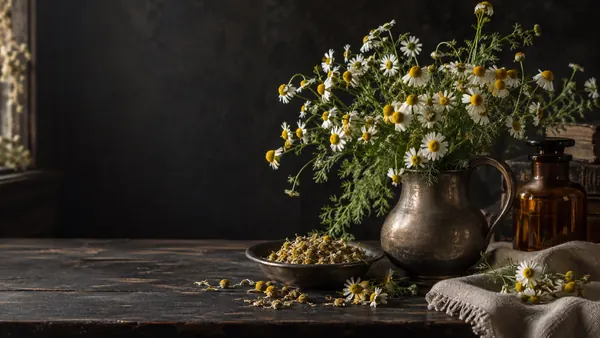 ChamomilePeace, sleep, money
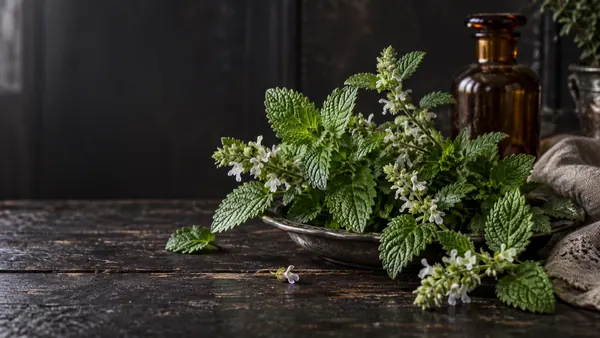 Lemon BalmHealing, love, success
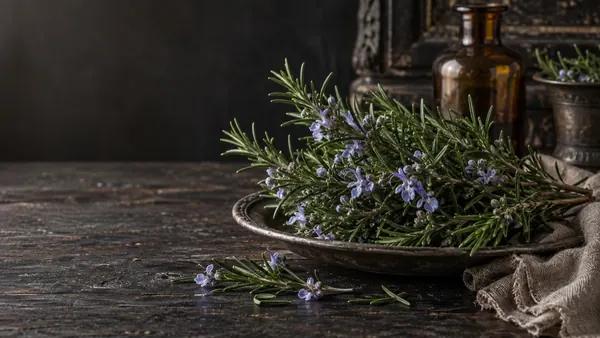 RosemaryProtection, memory, purification
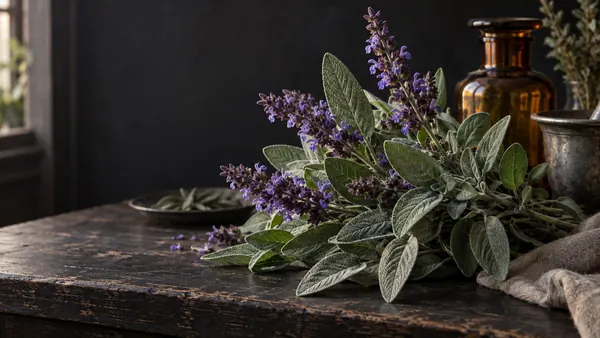 Sage (Garden)Cleansing, wisdom, protection
Correspondences are traditional associations gathered from folk practice and modern craft books. They vary between sources, and they are not medical advice. Read our editorial approach.