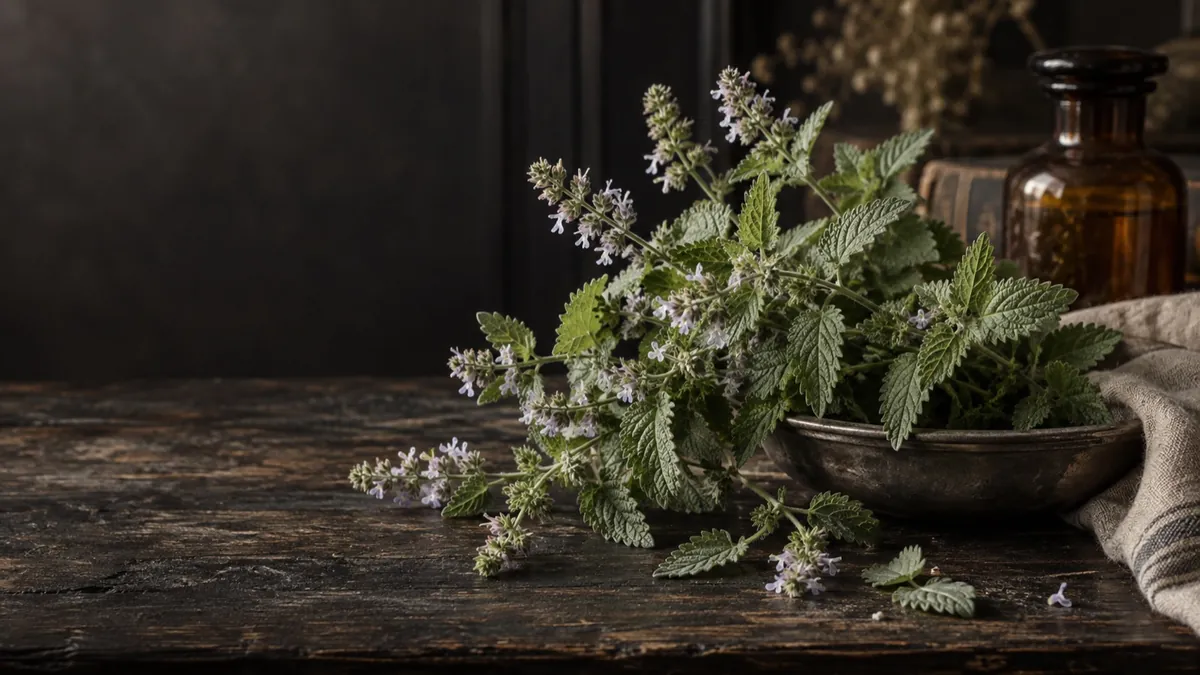
About Catnip
Catnip is a herb of cats, love and happiness. It draws the friendship of animals, and is used in love charms and gentle joy workings.
Associated with both cat-companion magic and gentle happiness/love workings.
History & folklore
Catnip's effect on cats has delighted people for centuries. Before tea arrived from China, the English drank catnip tea. In folk magic it was chewed by warriors for courage and used in love charms, and it's linked with cat goddesses such as Bastet.
Correspondences
- Traditional uses
- Love, happiness, courage
- Latin name
- Nepeta cataria
- Element
- Water
- Planet
- Venus
- Best day
- Friday
- Moon phase
- Waxing moon — for drawing things toward you
- Intentions
- Love, Joy
Ways to work with it
- Share a little dried catnip with a cat companion to deepen your bond.
- Add it to a love or happiness sachet.
- Grow it in the garden to welcome joy.
Growing & gathering
Catnip is an easy, hardy perennial in the mint family. Cats may flatten young plants, so protect them at first. Harvest flowering tops and hang to dry.
Safe for cats in moderation. People should avoid it during pregnancy.
A simple sample spell
Make a little room for joy
You will need: A closed catnip jar and three paper slips.
- Write a simple enjoyable activity on each slip.
- Place them beside the closed jar and choose one without judging whether it is productive.
- Say, “There is room in this day for a little joy.”
- Spend ten minutes on it. Keep the remaining slips for later and secure the catnip where animals cannot open the container.
This original Flint & Flicker spell is a symbolic practice for reflection and intention, not a guarantee of results. It needs no flame, ingestion or skin application. Use a closed, labeled packet or a drawing if handling the herb is unsuitable; keep all materials away from children and pets.
Pairs well with
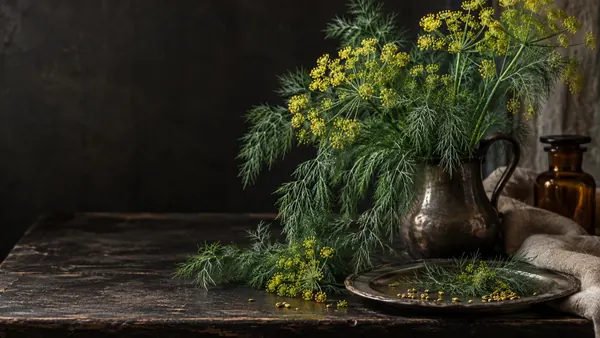 DillProtection, love, money
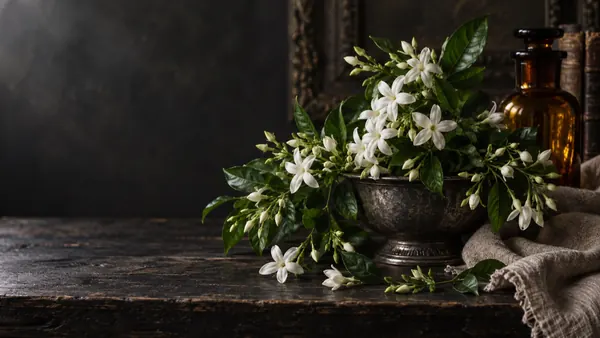 JasmineLove, prophetic dreams, money
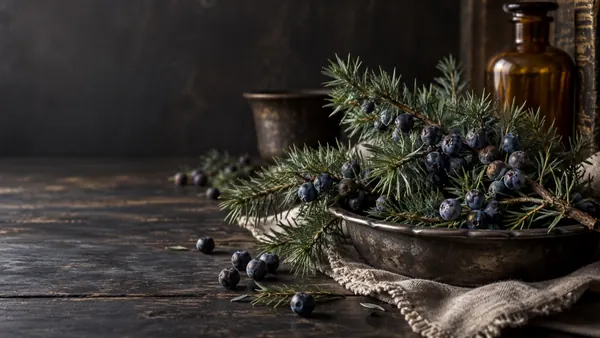 JuniperProtection, love, exorcism
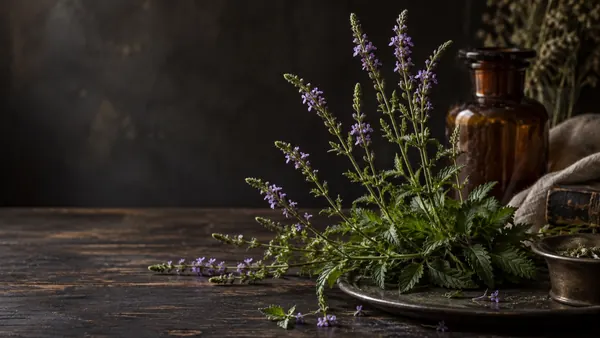 VervainProtection, purification, love
Correspondences are traditional associations gathered from folk practice and modern craft books. They vary between sources, and they are not medical advice. Read our editorial approach.