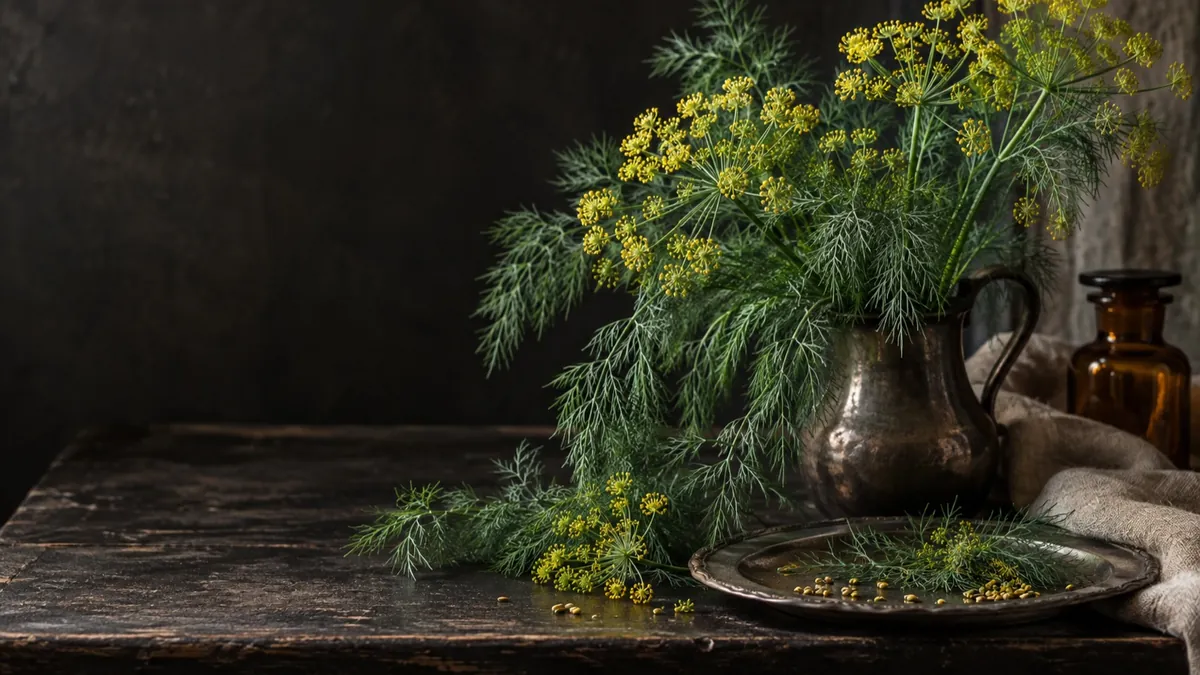
About Dill
Dill was hung over cradles and doorways to protect children and turn away envy. It is also a herb of love and money.
Traditionally protects children's cradles and repels envy.
History & folklore
The name dill may come from the Old Norse dilla, 'to lull', because it was used to calm babies. In medieval Europe, dill was hung over cradles and doors to protect against witchcraft and envy. Brides tucked dill into their shoes or dresses for luck.
Correspondences
- Traditional uses
- Protection, love, money
- Latin name
- Anethum graveolens
- Element
- Fire
- Planet
- Mercury
- Best day
- Wednesday
- Moon phase
- Waxing moon — for drawing things toward you
- Intentions
- Protection, Love
Ways to work with it
- Hang a small bundle of dried dill over a child's door.
- Add seeds to a money jar or love sachet.
- Bathe with a few sprigs to become more attractive to others, as old custom says.
Growing & gathering
Dill is an easy annual that grows from seed in sunny spots. Use leaves fresh and collect seeds as they brown. Dried dill weed and dill seed from the grocery store both work.
Safe as food. Wild-growing plants in this family include deadly lookalikes, so don't forage without an expert.
A simple sample spell
A small household blessing
You will need: Dill seed or leaf in a closed jar and a household notebook.
- Write one act that would make a shared space easier for someone.
- Place the closed jar beside the plan.
- Say, “May this small kindness make a welcome place.”
- Complete the act and leave the space ready to use. Record it if you wish and return the dill to storage.
This original Flint & Flicker spell is a symbolic practice for reflection and intention, not a guarantee of results. It needs no flame, ingestion or skin application. Use a closed, labeled packet or a drawing if handling the herb is unsuitable; keep all materials away from children and pets.
Pairs well with
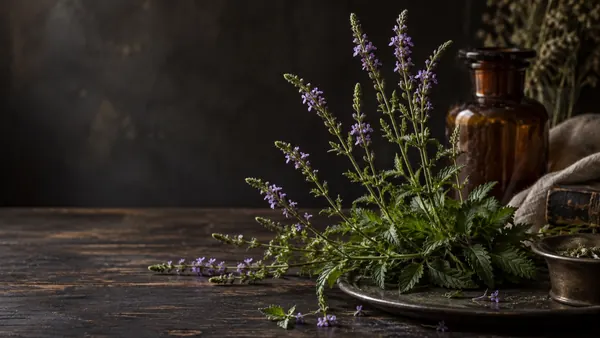 VervainProtection, purification, love
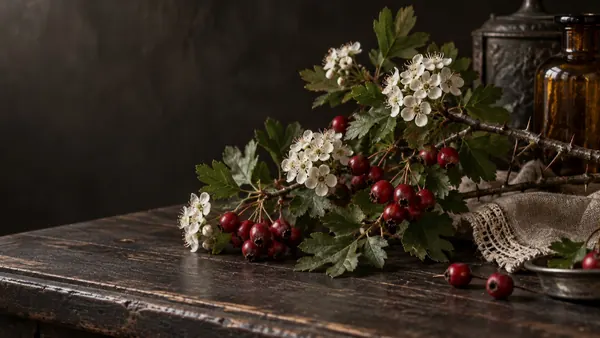 HawthornProtection, love, Beltane
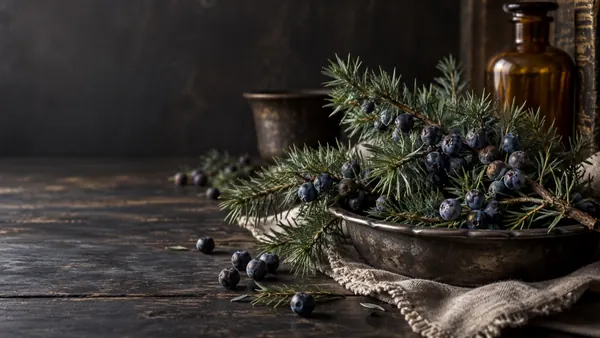 JuniperProtection, love, exorcism
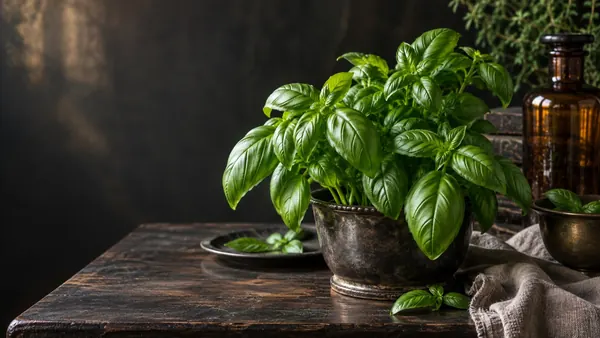 BasilProtection, prosperity, love
Correspondences are traditional associations gathered from folk practice and modern craft books. They vary between sources, and they are not medical advice. Read our editorial approach.