
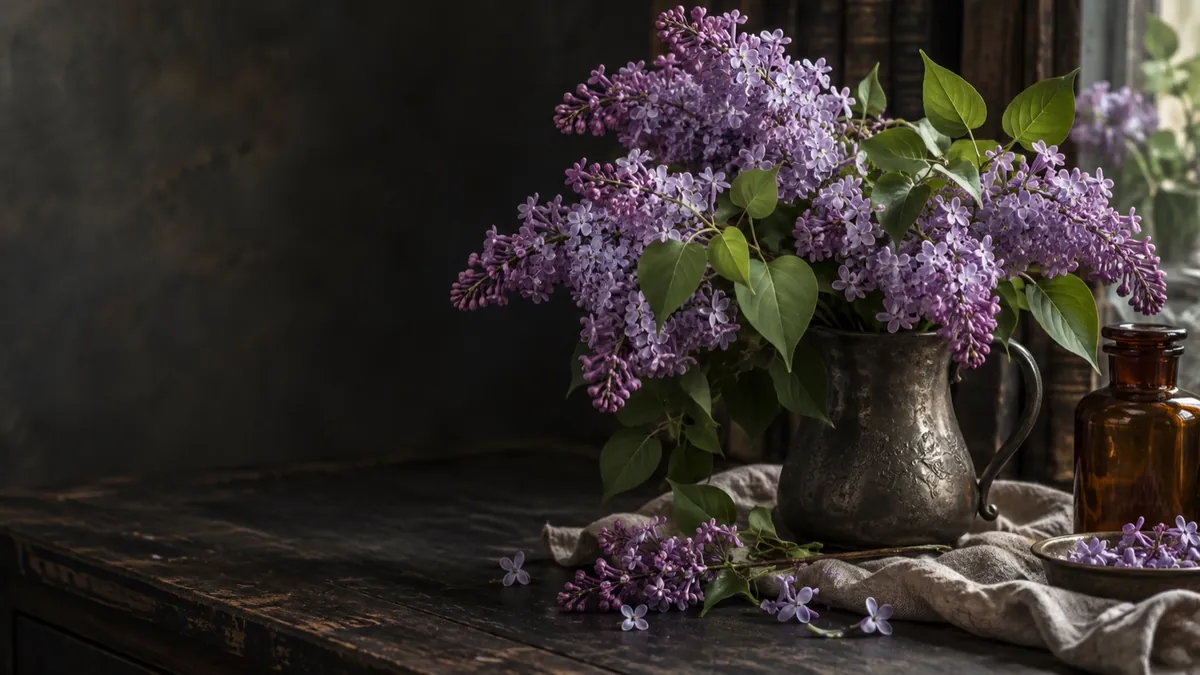
About Lilac
Lilac was planted near homes to keep harmful spirits away, and its flowers carry memories and nostalgia. It is a gentle herb for clearing heavy energy and inviting beauty.
Traditionally planted near a home to keep harmful spirits from entering.
History & folklore
Lilac was brought from the Balkans and Turkey to European gardens in the 1500s. In New England, lilacs were planted near farmhouses to ward off harm, and many still bloom by cellar holes where old houses once stood. In Victorian flower language, purple lilac meant the first feelings of love.
Correspondences
- Traditional uses
- Protection, banishing negativity
- Latin name
- Syringa vulgaris
- Element
- Water
- Planet
- Venus
- Best day
- Friday
- Moon phase
- Waning moon — for protection, clearing and letting go
- Intentions
- Protection, Cleansing
Ways to work with it
- Place fresh lilacs in a room that feels heavy or haunted.
- Plant a lilac near the house for protection.
- Use lilac in remembrance rituals for loved ones who have passed.
Growing & gathering
Lilac is a hardy shrub that blooms in late spring. Cut flowers for the house when half open. Petals can be dried quickly on paper, though they lose some scent.
Lilac is generally considered non-toxic.
Spells to try
Pairs well with
 ParsleyPurification, protection, lust
 CedarPurification, protection, healing
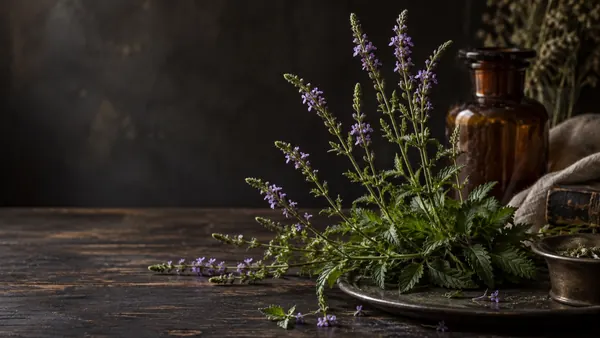 VervainProtection, purification, love
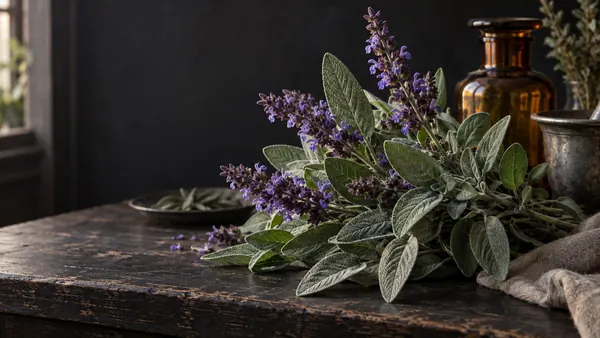 Sage (Garden)Cleansing, wisdom, protection
Correspondences are traditional associations gathered from folk practice and modern craft books. They vary between sources, and they are not medical advice. Read our editorial approach.