
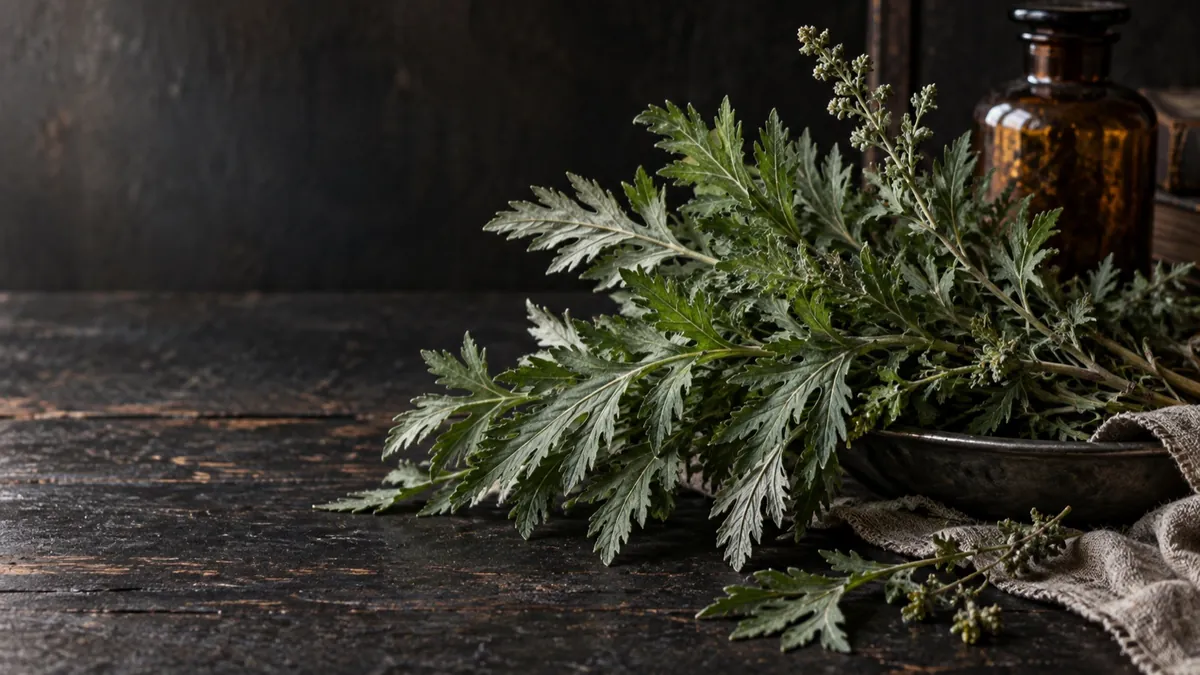
About Mugwort
Mugwort is the traveller's and dreamer's herb. Roman soldiers were said to line their sandals with it, and European folk practice places it under the pillow for vivid, prophetic dreams and uses it to wash scrying mirrors.
Traditionally placed under a pillow for prophetic dreams; not for use during pregnancy.
History & folklore
Mugwort is named for Artemis, the Greek goddess of the moon and the hunt. It was one of the nine sacred herbs in the Anglo-Saxon Nine Herbs Charm. On St. John's Eve, people wore girdles of mugwort while dancing around bonfires, then threw them into the flames to burn away bad luck for the year.
Correspondences
- Traditional uses
- Divination, dreams, protection
- Latin name
- Artemisia vulgaris
- Element
- Earth
- Planet
- Venus
- Best day
- Friday
- Moon phase
- Full moon — when intuition and divination are strongest
- Intentions
- Divination, Dreams, Protection
Ways to work with it
- Place a small muslin bag of dried mugwort inside your pillowcase and keep a dream journal by the bed.
- Make a weak mugwort wash to wipe a scrying mirror or bowl before use.
- Carry a sprig on a journey for protection on the road.
Growing & gathering
Mugwort grows wild along roadsides, riverbanks and waste ground across much of the Northern Hemisphere. The leaves are dark green on top and silvery underneath. Harvest before flowering, away from busy roads, and dry in bundles. In the garden it spreads fast, so keep it in a pot.
Do not use mugwort if you are pregnant or breastfeeding. It is in the daisy family, so avoid it if you react to ragweed. Do not smoke it.
Spells to try
Pairs well with
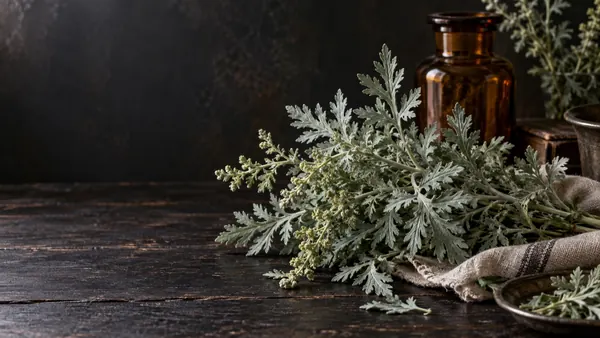 WormwoodPsychic power, protection, calling spirits
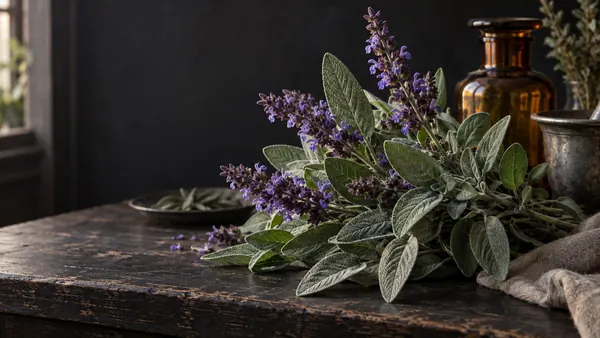 Sage (Garden)Cleansing, wisdom, protection
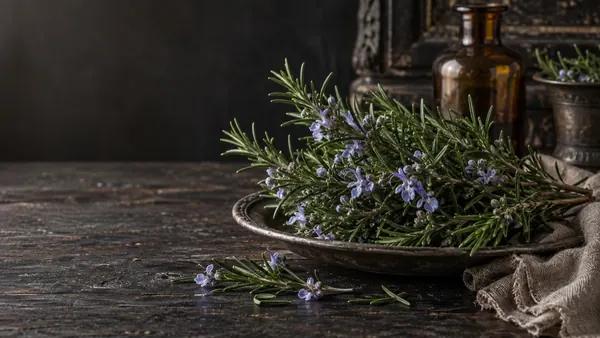 RosemaryProtection, memory, purification
 Bay LaurelWishes, success, protection
Correspondences are traditional associations gathered from folk practice and modern craft books. They vary between sources, and they are not medical advice. Read our editorial approach.