
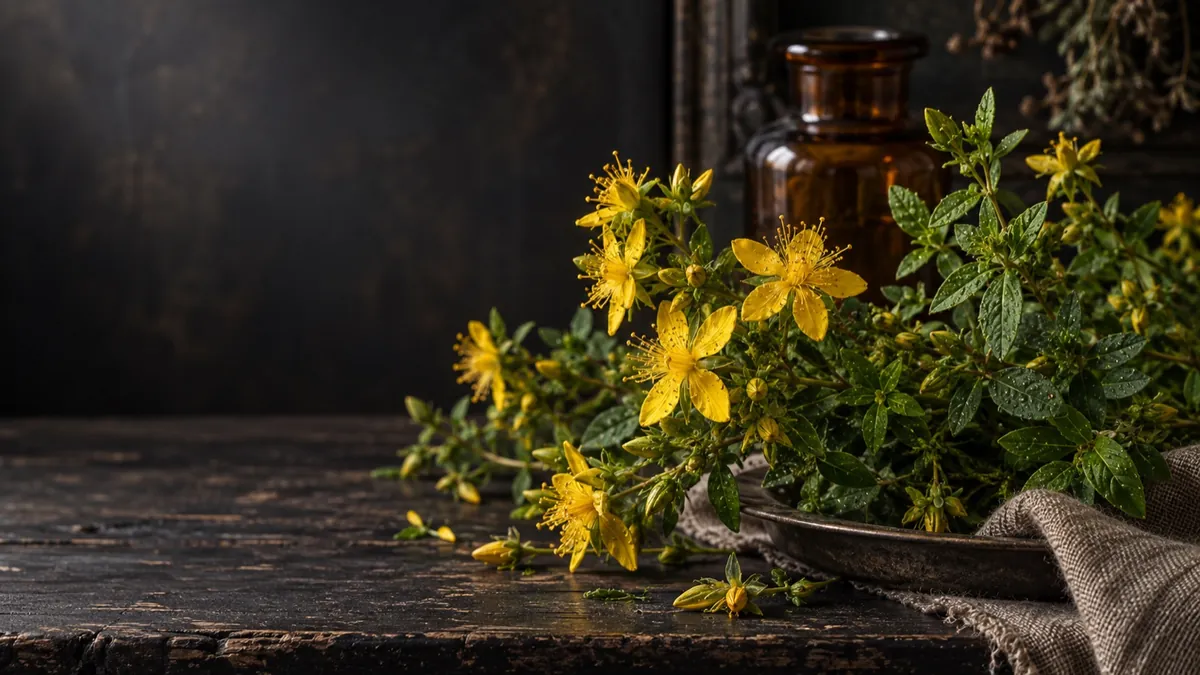
About St. John's Wort
St. John's wort blooms at Midsummer and was traditionally gathered on St. John's Eve and hung over doors and windows to drive away harmful spirits, storms and ill-wishing. Its yellow flowers carry the Sun's strength.
Traditionally gathered at Midsummer; interacts with many medications, research before ingesting.
History & folklore
St. John's wort blooms around June 24th, the feast of St. John the Baptist and near the summer solstice. It was hung over doors and windows on St. John's Eve to keep away harmful spirits. When its flowers are crushed, they release a red oil that was said to be the blood of the saint.
Correspondences
- Traditional uses
- Protection, courage, Litha
- Latin name
- Hypericum perforatum
- Element
- Fire
- Planet
- Sun
- Best day
- Sunday
- Moon phase
- Waxing moon — for drawing things toward you
- Intentions
- Protection, Courage
Ways to work with it
- Gather flowers at Litha and hang them to dry over the door.
- Carry a small bundle for courage and protection.
- Add dried flowers to a Midsummer incense.
Growing & gathering
St. John's wort grows wild in sunny meadows and roadsides. Hold a leaf up to the light to see tiny translucent dots — the 'perforations' that give it its Latin name. Gather flowering tops at Midsummer and hang to dry.
St. John's wort interacts with many medicines, including antidepressants, birth control and blood thinners. Talk to a doctor before taking it internally. It can also make skin sensitive to sunlight.
Spells to try
Pairs well with
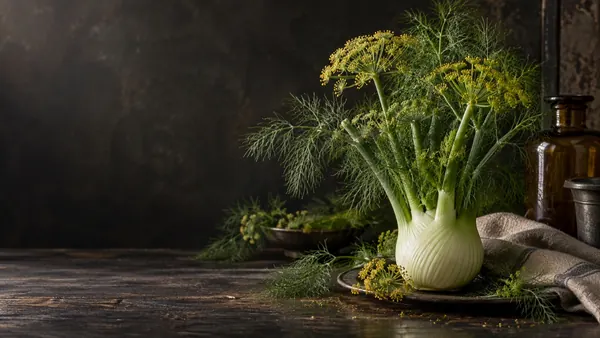 FennelProtection, courage, purification
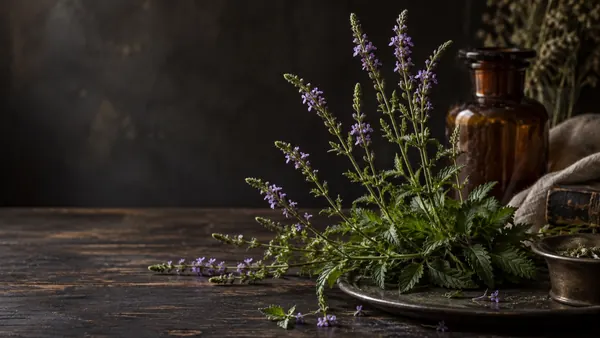 VervainProtection, purification, love
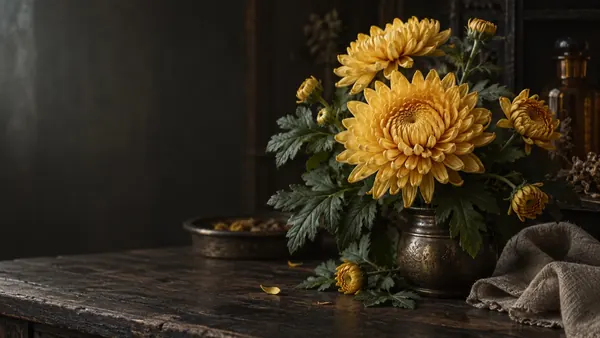 ChrysanthemumProtection, longevity
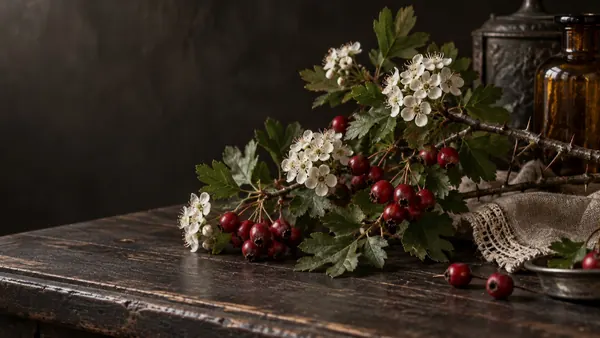 HawthornProtection, love, Beltane
Correspondences are traditional associations gathered from folk practice and modern craft books. They vary between sources, and they are not medical advice. Read our editorial approach.