What it is for
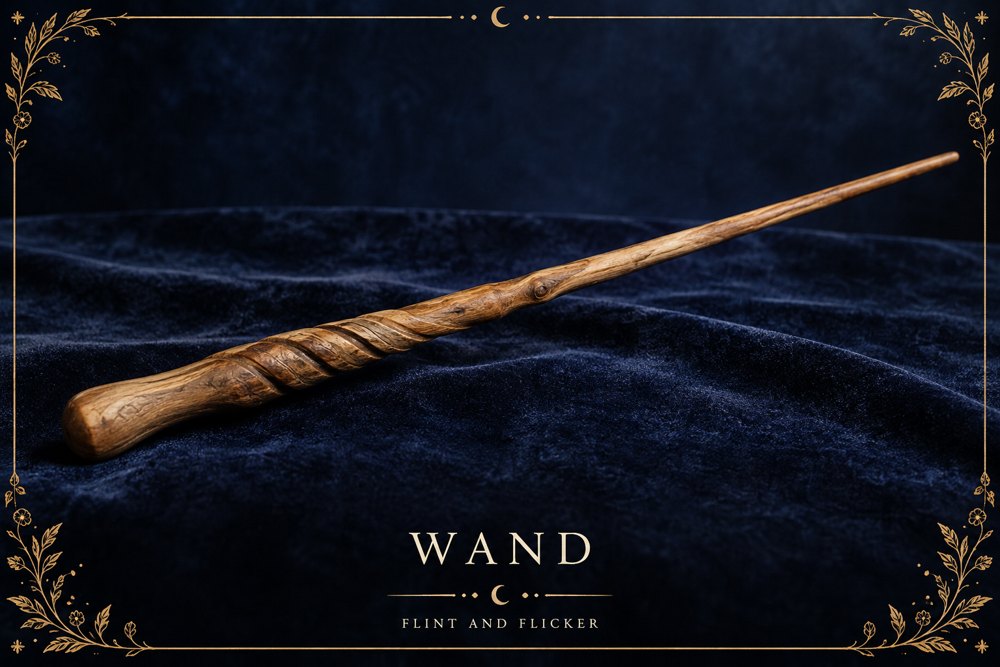
A wand gives the hand a focal object for pointing, tracing, blessing, or marking the beginning of a working. Its usefulness can be understood through attention and symbolism without making claims about measurable energy.
Meaning depends on context
Wands appear in different ceremonial and magical systems, with different materials and meanings. Air and fire correspondences are not consistent across all traditions.
Choosing one
Choose a size and weight your hand can comfortably hold. A smooth fallen twig can be enough. Ask permission before collecting on private land and avoid damaging a living tree for an accessory.
A finger, pencil, or ordinary wooden spoon can serve in a personal symbolic practice.
A simple first practice
- Hold the wand without gripping tightly.
- Name the object or activity receiving your attention.
- Trace one simple shape above your notebook or altar: a circle, a line, or a shape you have chosen.
- Set the wand down and carry out the practical action your gesture introduced.
Care and practical considerations
Remove splinters and keep finishes compatible with how the object will be handled. Do not assume a crystal tip is secure or child-safe. Keep wood dry unless its finish is designed for moisture.
A common question
Do I need a special wood? No. A personal association can be meaningful, but there is no universal botanical requirement for the practice described here.
Make the meaning your own
After using the tool, write what it helped you notice. Was the gesture useful? Would a simpler object work just as well? You can keep a tool because you enjoy its beauty, but you do not need to turn that preference into a spiritual requirement.
The practice above is an original modern exercise. For a tradition’s specific ritual instructions, learn from sources and teachers who name that tradition clearly. Read our editorial approach.
Return to all eight ritual tools · Find a printable practice sheet
Updated September 16, 2026 · Original practice suggestions by Flint & Flicker. Traditions differ; adapt to your circumstances.
Continue exploring the library →