About Amber
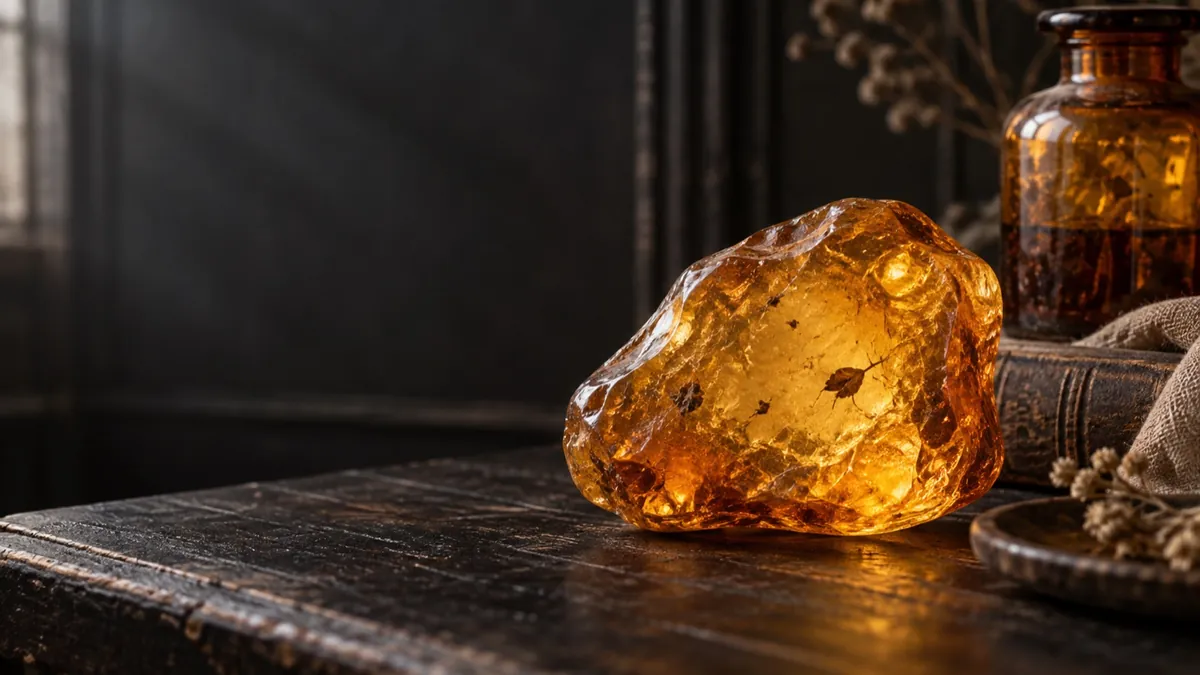
Amber is fossilized tree resin, sometimes holding ancient insects. It has been worn for protection and health for thousands of years.
Fossilized resin, historically worn to ward off illness.
History & folklore
Amber was traded along the 'Amber Road' from the Baltic to Rome. Romans believed it protected against illness, and Baltic peoples called it the tears of the sea goddess Jūratė. Amber can hold insects and plants preserved for millions of years.
Correspondences
- Traditional uses
- Protection, healing, luck
- Colour
- Honey gold to orange
- Hardness
- 2–2.5 (Mohs)
- Element
- Fire
- Chakra
- Solar plexus
- Best day
- Sunday or Tuesday
- Moon phase
- Waning moon — for protection, clearing and letting go
- Intentions
- Protection, Healing
Ways to work with it
- Wear it for protection and good health.
- Place it in a sunny window for warmth.
- Keep it in a healing sachet.
Where it comes from
Most amber comes from the Baltic coast and the Dominican Republic. Real amber floats in very salty water and gives off a pine smell if heated. 'Copal' is younger resin that isn't fully fossilised.
Amber is soft and melts or burns with heat. Keep it away from perfume and solvents. Don't give amber teething necklaces to babies — they are a choking and strangling risk.
Spells to try
Pairs well with
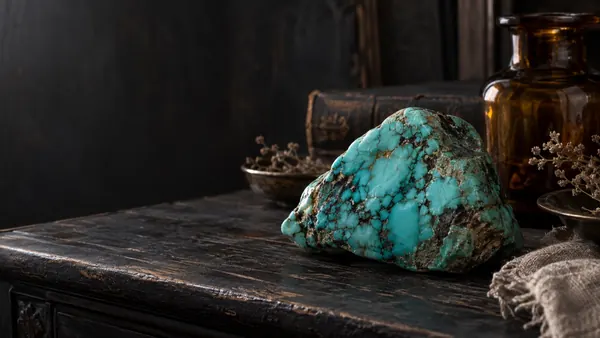 TurquoiseProtection, healing, communication
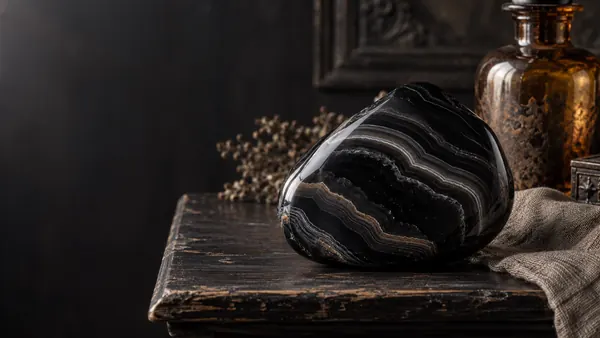 OnyxProtection, strength, self-control
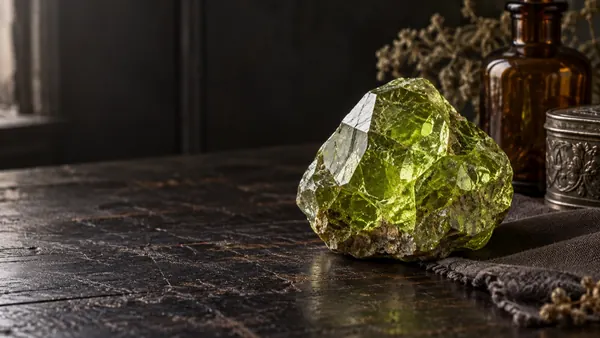 PeridotAbundance, protection, releasing negativity
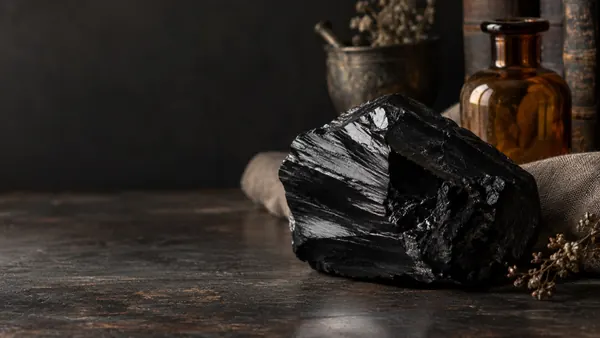 JetProtection, grounding, mourning
Correspondences are traditional associations gathered from folk practice and modern craft books. They vary between sources, and they are not medical advice. Read our editorial approach.