
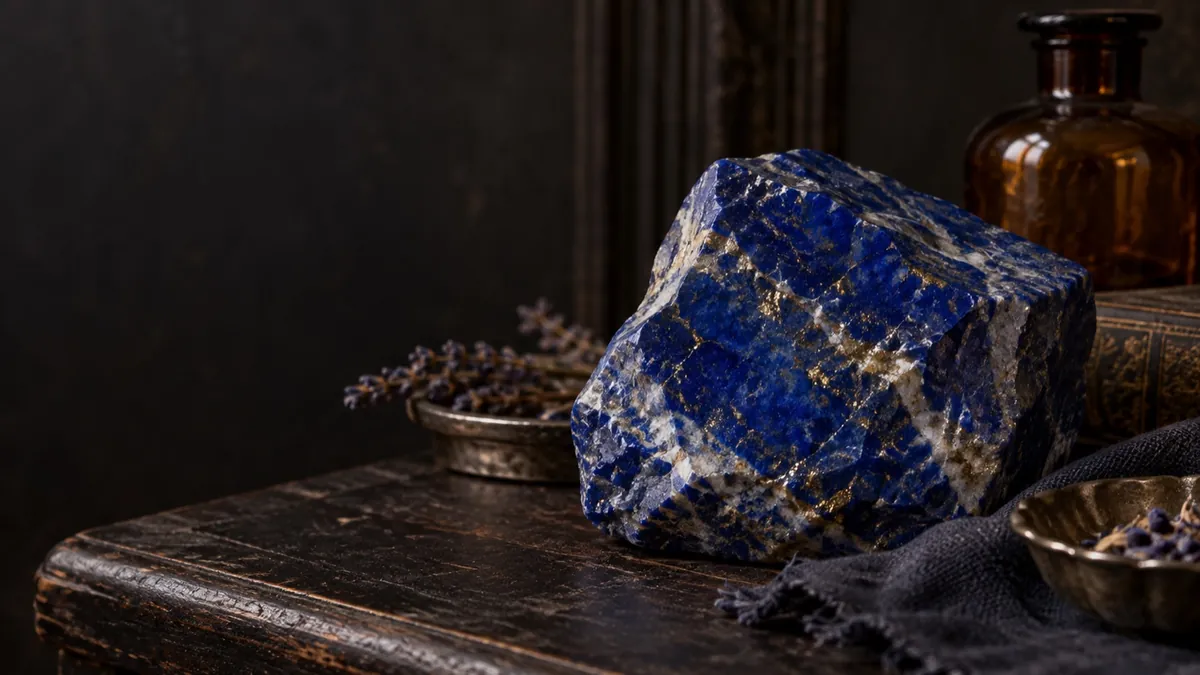
About Lapis Lazuli
Lapis lazuli was prized by ancient Egypt and ground into the ultramarine pigment of Renaissance paintings. It is a stone of wisdom, truth and insight.
Historically ground into pigment and worn by royalty/priests for wisdom and status.
History & folklore
Lapis lazuli has been mined in Afghanistan for over 6,000 years. Egyptians used it in Tutankhamun's funeral mask, and Cleopatra is said to have used it as eye shadow. Renaissance painters ground it into ultramarine, the most expensive blue pigment, used for the Virgin Mary's robes.
Correspondences
- Traditional uses
- Wisdom, truth, psychic ability
- Colour
- Deep blue with gold flecks
- Hardness
- 5–5.5 (Mohs)
- Element
- Water
- Chakra
- Throat & third eye
- Best day
- Monday or Friday
- Moon phase
- Full moon — when intuition and divination are strongest
- Intentions
- Clarity, Truth, Intuition
Ways to work with it
- Wear it when you need to speak the truth.
- Keep it on your desk for study and wisdom.
- Hold it during meditation for insight.
Where it comes from
The best lapis still comes from Afghanistan; it's also found in Chile and Russia. Real lapis has gold pyrite flecks and some white calcite. Very even blue with no flecks may be dyed howlite or jasper.
Lapis is soft and porous. Avoid soaking it in water or cleaning it with chemicals. Some is dyed.
Spells to try
Pairs well with
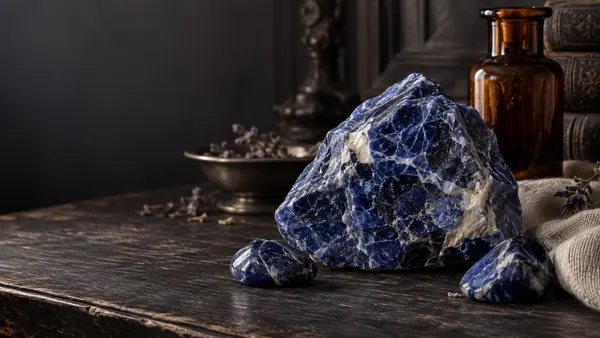 SodaliteCommunication, truth, logic
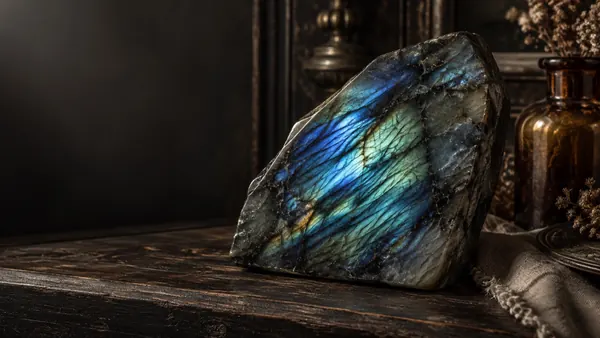 LabradoriteTransformation, intuition, magic
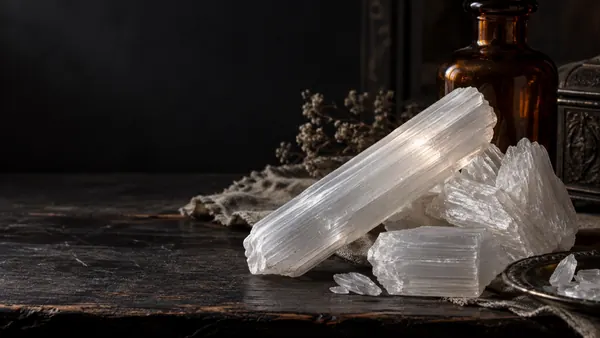 SeleniteCleansing, clarity, angelic connection
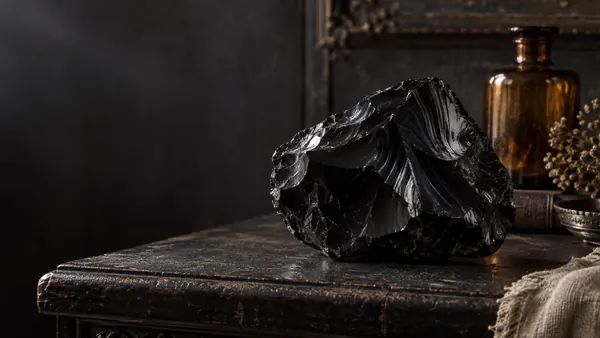 ObsidianProtection, truth, shadow work
Correspondences are traditional associations gathered from folk practice and modern craft books. They vary between sources, and they are not medical advice. Read our editorial approach.