About Comfrey
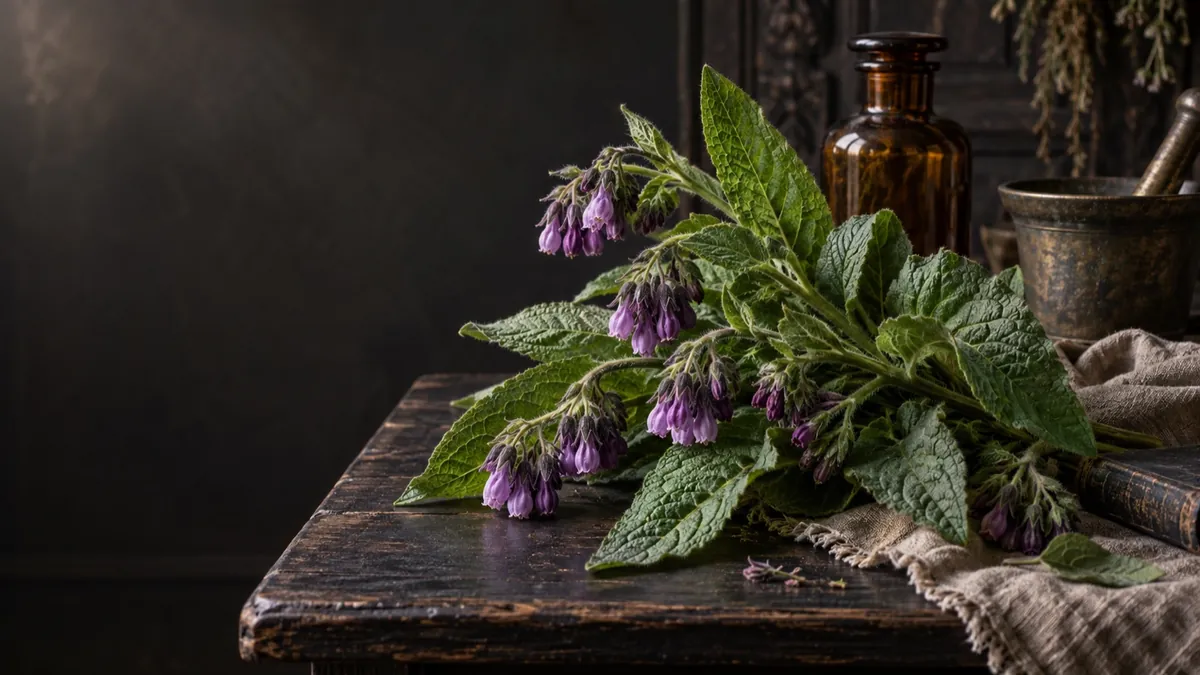
Comfrey — also called knitbone — was used for centuries on bruises and sprains. In folk magic it protects travellers and their belongings; a leaf tucked in luggage is said to keep it safe.
Traditionally carried while traveling to prevent theft; NOT for internal use — toxic if ingested.
History & folklore
Comfrey was called knitbone and boneset because it was applied to fractures and sprains. Its Latin name Symphytum means 'to grow together'. In folk magic, comfrey protected travellers and their luggage.
Correspondences
- Traditional uses
- Safe travel, money, healing
- Latin name
- Symphytum officinale
- Element
- Water
- Planet
- Saturn
- Best day
- Saturday
- Moon phase
- Waxing moon — for drawing things toward you
- Intentions
- Healing, Abundance
Ways to work with it
- Tuck a dried leaf inside your suitcase for safe travel.
- Wrap a leaf around coins for a money charm.
- Grow it in the garden as a nutrient-rich compost plant.
Growing & gathering
Comfrey is a large, vigorous perennial with hairy leaves and bell-shaped flowers. It's a gardener's favourite for compost and liquid fertiliser. Handle with gloves if you have sensitive skin.
Never eat or drink comfrey — it contains compounds that harm the liver. Don't put it on broken skin.
Spells to try
Pairs well with
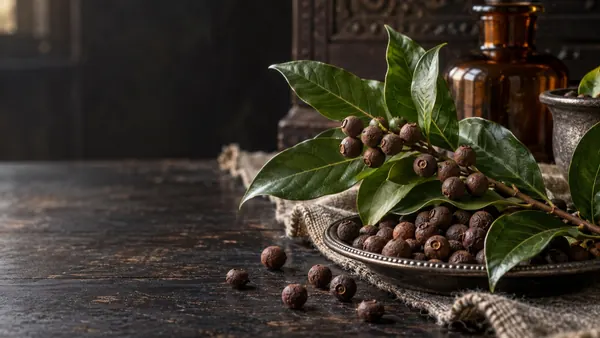 AllspiceMoney, healing, luck
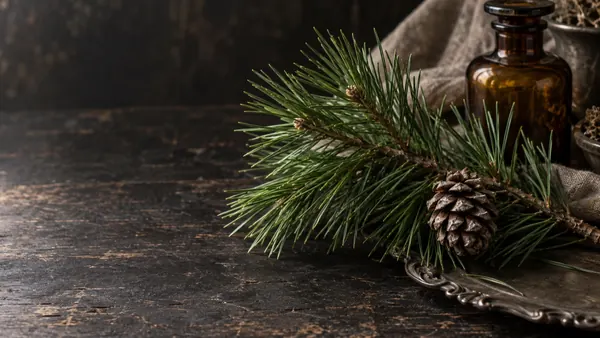 PinePurification, healing, money
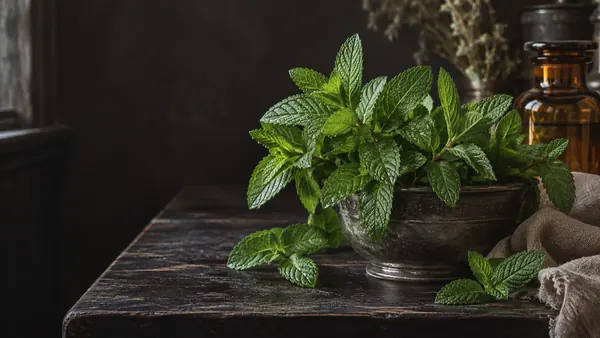 MintMoney, travel, healing
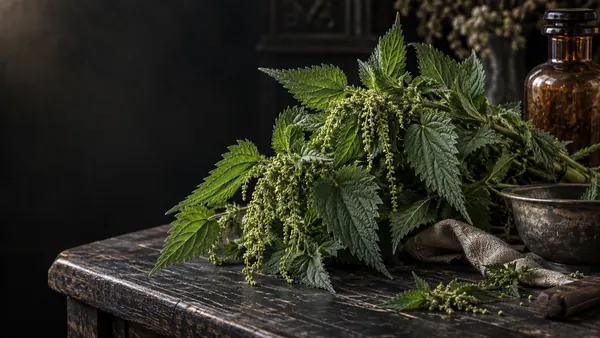 NettleProtection, healing, exorcism
Correspondences are traditional associations gathered from folk practice and modern craft books. They vary between sources, and they are not medical advice. Read our editorial approach.