
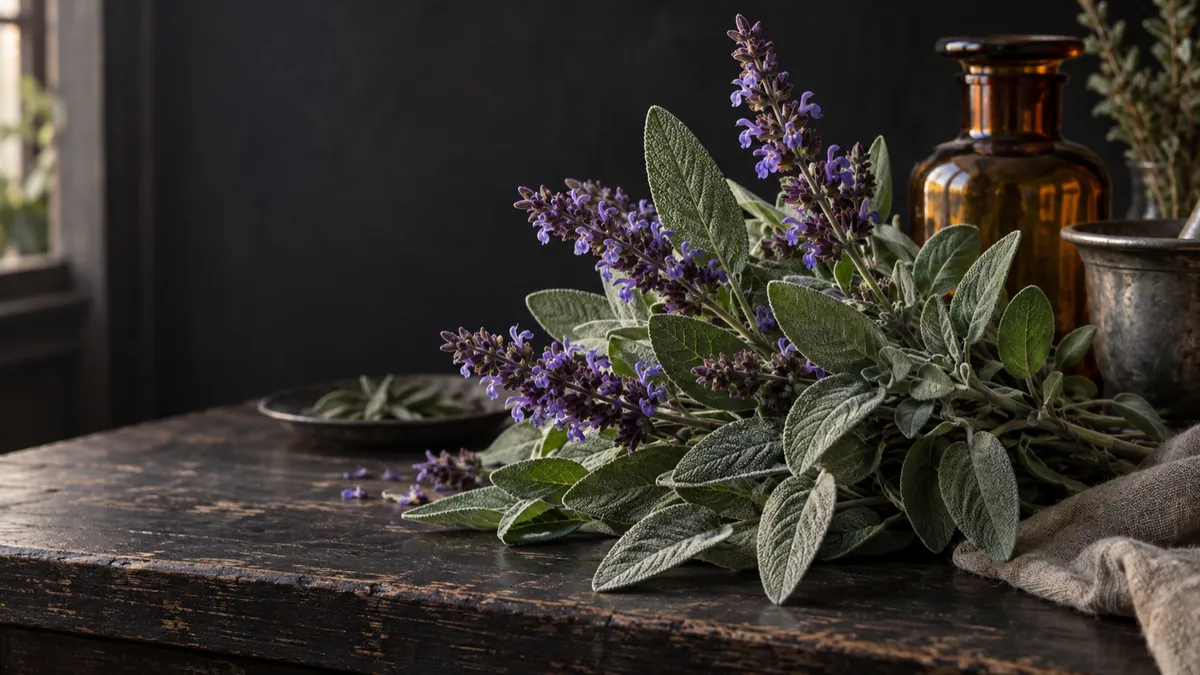
About Sage (Garden)
Garden sage is the kitchen-cabinet sage: the grey-green leaf you cook with. It has a long European folk history of wisdom, long life and purification, and burning a few dried leaves is an open, accessible way to clear a space.
Garden sage burned or used in cooking is open and traditional; note ceremonial white-sage smudging is a closed Indigenous practice.
History & folklore
Sage's Latin name Salvia comes from salvere, 'to be well'. A medieval saying asked, 'Why should a man die while sage grows in his garden?' English folklore held that sage flourished when the household prospered, and withered when trouble came. Eating sage every May was believed to bring long life.
Correspondences
- Traditional uses
- Cleansing, wisdom, protection
- Latin name
- Salvia officinalis
- Element
- Air
- Planet
- Jupiter
- Best day
- Thursday
- Moon phase
- Waning moon — for protection, clearing and letting go
- Intentions
- Cleansing, Protection
Ways to work with it
- Burn one or two dried leaves in a fireproof dish and carry the smoke through each room.
- Write a wish on a leaf and tuck it under a candle while it burns.
- Cook with it on days when you need a clear head and good judgement.
Growing & gathering
Garden sage is an easy perennial for a sunny, well-drained bed or pot. Pick leaves before the plant flowers for the best flavour and scent. Dry them flat on a tray or hang small bunches. Grocery-store dried sage is fine for burning and sachets.
Ventilate when burning any herb. Medicinal quantities contain thujone and should be avoided in pregnancy. White sage smudging is a closed Indigenous practice — garden sage is the open alternative.
Spells to try
Pairs well with
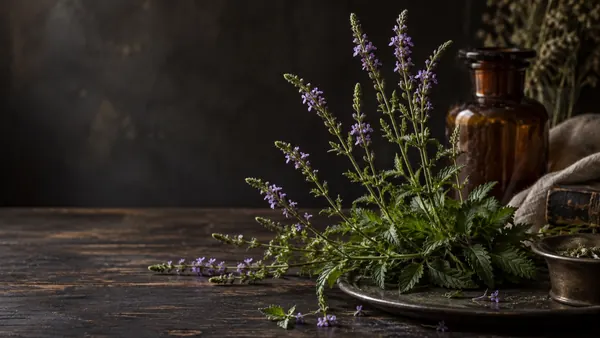 VervainProtection, purification, love
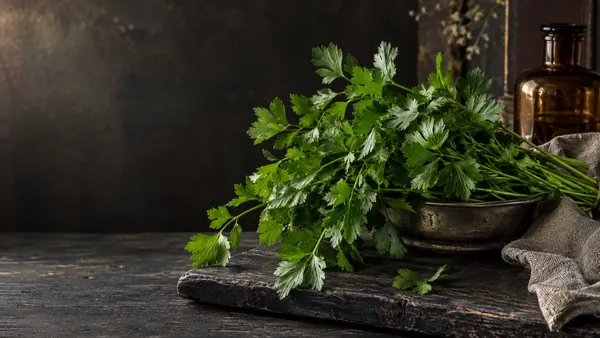 ParsleyPurification, protection, lust
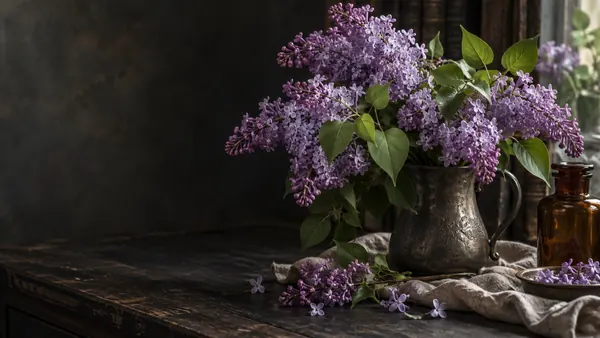 LilacProtection, banishing negativity
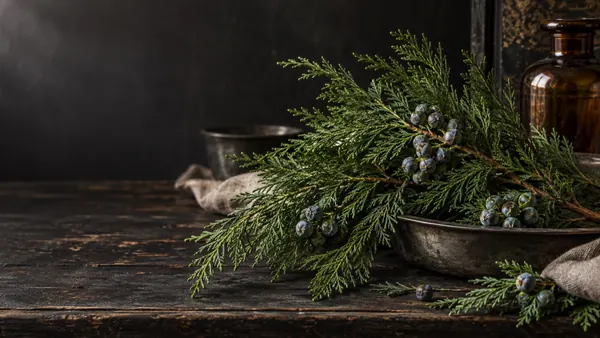 CedarPurification, protection, healing
Correspondences are traditional associations gathered from folk practice and modern craft books. They vary between sources, and they are not medical advice. Read our editorial approach.