
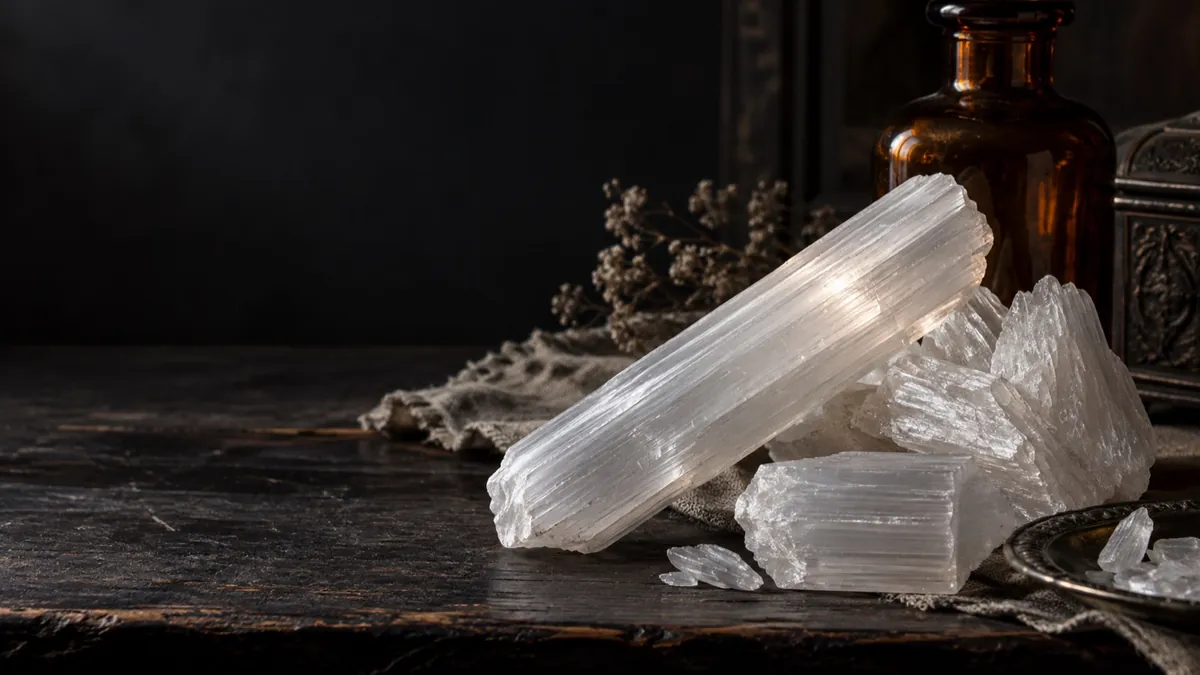
About Selenite
Selenite is named for Selene, the Greek moon goddess. It is used to cleanse other crystals and spaces, and to bring clarity and a sense of peace.
Often used to cleanse other crystals; do not get wet (dissolves).
History & folklore
Selenite is named for Selene, the Greek goddess of the moon, because of its soft glow. Giant selenite crystals up to 12 metres long were found in the Cave of the Crystals in Naica, Mexico. It was once split into thin sheets and used as window glass.
Correspondences
- Traditional uses
- Cleansing, clarity, angelic connection
- Colour
- Translucent white
- Hardness
- 2 (Mohs)
- Element
- Air
- Chakra
- Crown
- Best day
- Wednesday
- Moon phase
- Waning moon — for protection, clearing and letting go
- Intentions
- Cleansing, Clarity
Ways to work with it
- Rest other crystals on a selenite plate to cleanse them.
- Sweep a wand of selenite slowly around yourself to clear your energy.
- Place a lamp or tower in a room for a calm atmosphere.
Where it comes from
Selenite comes mainly from Morocco and Mexico. 'Satin spar' sold as selenite is a fibrous form of the same mineral (gypsum). It's very soft — a fingernail can scratch it.
Selenite dissolves in water — never wet it. It is very soft and scratches easily.
Spells to try
Pairs well with
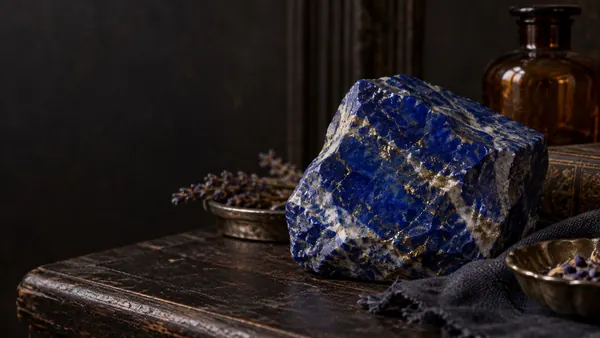 Lapis LazuliWisdom, truth, psychic ability
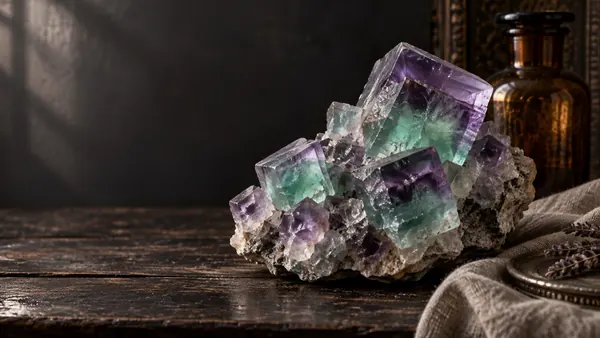 FluoriteFocus, mental clarity, decision-making
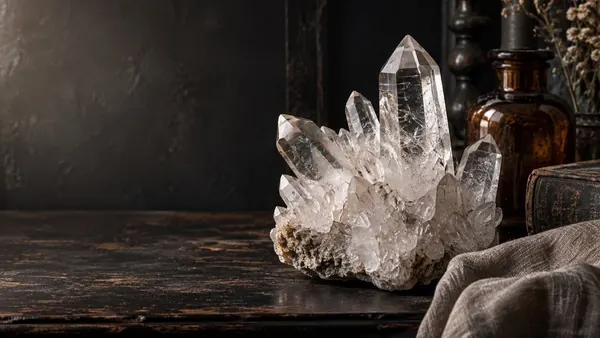 Clear QuartzAmplification, clarity, all-purpose
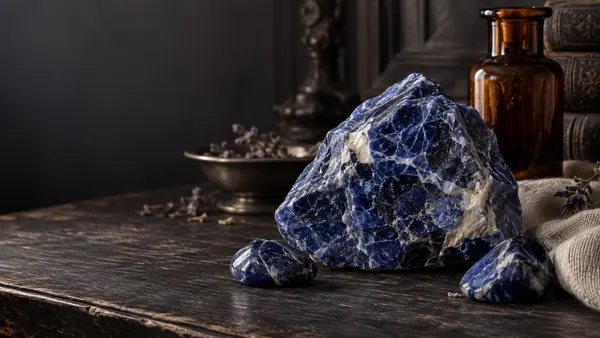 SodaliteCommunication, truth, logic
Correspondences are traditional associations gathered from folk practice and modern craft books. They vary between sources, and they are not medical advice. Read our editorial approach.